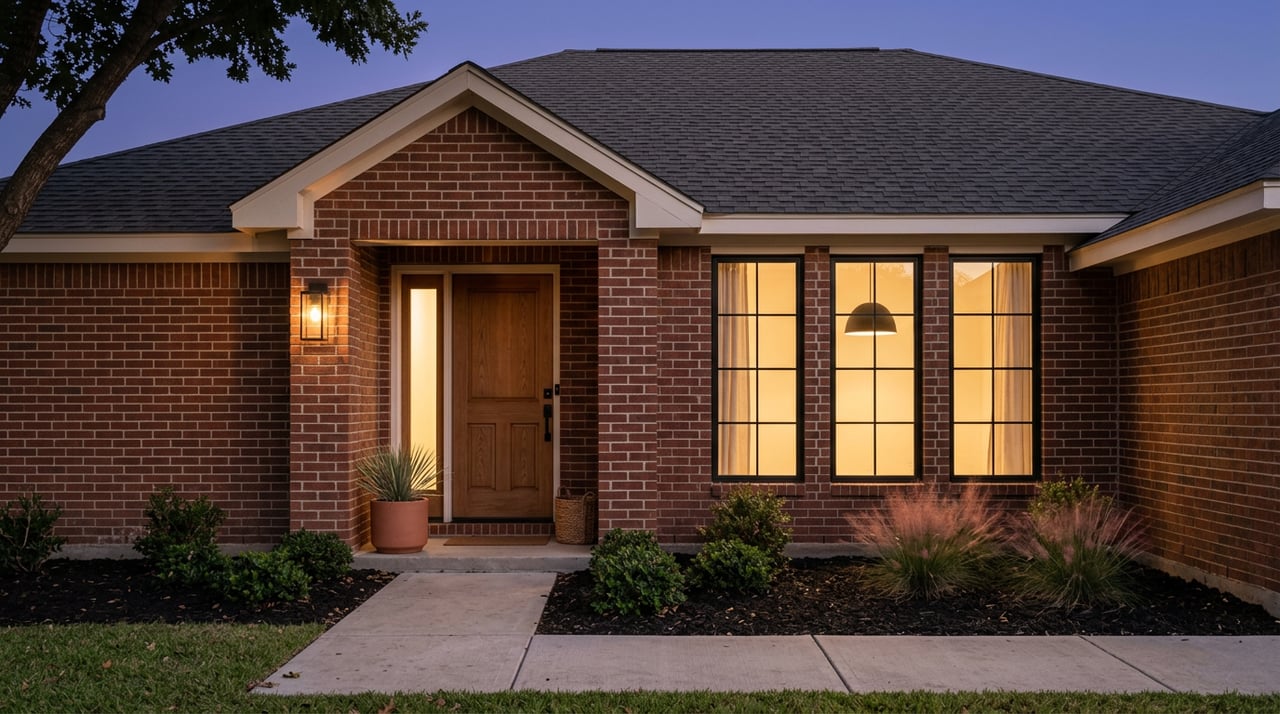
Why does a brand-new house in Burleson need a foundation check-up before its first birthday?
That question sounds backwards. New construction comes with a builder warranty, a pre-drywall walkthrough, maybe even a third-party inspection during the build. By the time you close, it feels like the house has already been checked twice over. But ask any local inspector or structural engineer what happens between month one and month eleven of owning a new Burleson home, and you'll hear the same thing: that's when the ground finally tells you the truth.
Burleson sits on some of the most reactive clay in the DFW area. The soil swells when it rains and pulls back hard during a dry Texas summer, and that push-pull cycle needs roughly a full year to complete before it shows up as a crack in drywall, a door that won't latch, or a hairline separation where brick meets slab. A house built in March and sold in June hasn't lived through that cycle yet. Neither has its buyer.
The clock nobody explains at closing
Texas builder warranties typically run for one year, and the standard practice is to schedule an independent inspection in month eleven, right before that coverage lapses. That timing isn't arbitrary. It lines up almost exactly with how long it takes Burleson's clay soil to finish one complete wet-dry cycle under a new slab.
That means the inspection everyone associates with new construction, the one before you move in, is checking a house that hasn't been tested yet. The inspection that actually matters, the one that catches whether the slab is holding up under real seasonal stress, happens almost a year later, and it's the one most buyers never put on their calendar.
Here's the part that makes this a genuine transaction risk rather than a footnote: homeowners insurance in Texas generally excludes foundation damage caused by normal soil movement. It isn't a sudden, unexpected event like a burst pipe. It's gradual, and gradual is exactly what standard policies carve out. So the eleven-month warranty inspection isn't a nice-to-have. For a lot of buyers, it's the only window where a real defect gets caught while someone else is still on the hook for it.
What the pre-closing inspection actually covers
None of this means the initial inspection is worthless. It's just answering a narrower question than most buyers assume.
| Inspection type | Typical cost | What it's actually checking |
|---|---|---|
| New construction phase package (pre-pour, pre-drywall, final) | $900–$1,500 | Build quality at each stage, before defects get sealed behind concrete or drywall |
| Standard resale inspection | $350–$600 | Current condition, no history of seasonal movement to evaluate yet |
| 11-month builder warranty inspection | Priced similarly to a standard resale inspection | Whether the slab moved after a full wet-dry clay cycle, while warranty coverage still applies |
| Structural engineer evaluation (if referred) | Varies by scope | A targeted, elevation-based reading of foundation movement, ordered when a general inspector flags visual signs |
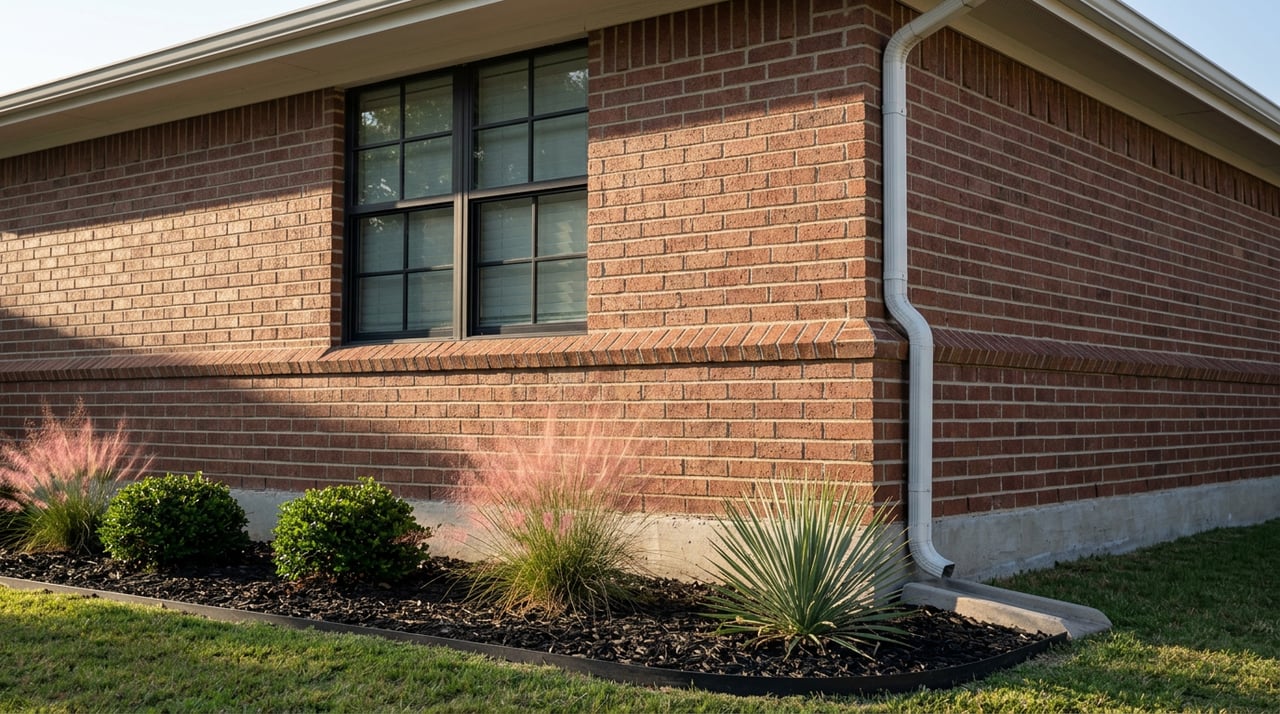
A Texas home inspector has to hold an active TREC license and carry a minimum of $100,000 in errors and omissions insurance, which is worth confirming before you book anyone. Part of that licensing standard is knowing when a general inspection isn't enough. If a TREC-licensed inspector sees diagonal wall cracks, sticking doors, exterior brick separation, or sloping floors, the professional move is to recommend a licensed structural engineer for a deeper, elevation-based evaluation. In Burleson, that referral happens more often than in markets with more stable soil, and it's not a red flag on its own. It's the system working the way it's supposed to.
Old Town plays a different game entirely
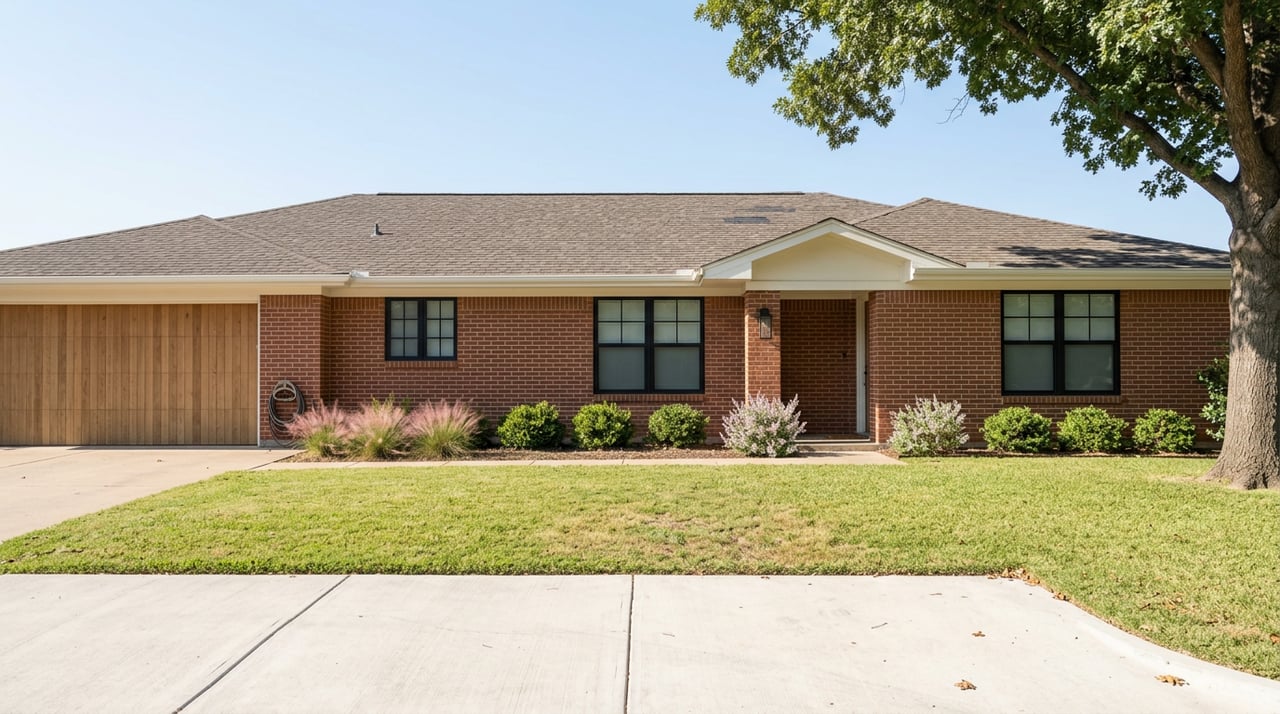
If you're comparing a new build in Briarwood or the newer subdivisions off Renfro Street to a resale near Old Town Burleson, you're not just comparing square footage and finishes. You're comparing two completely different relationships with the same soil.
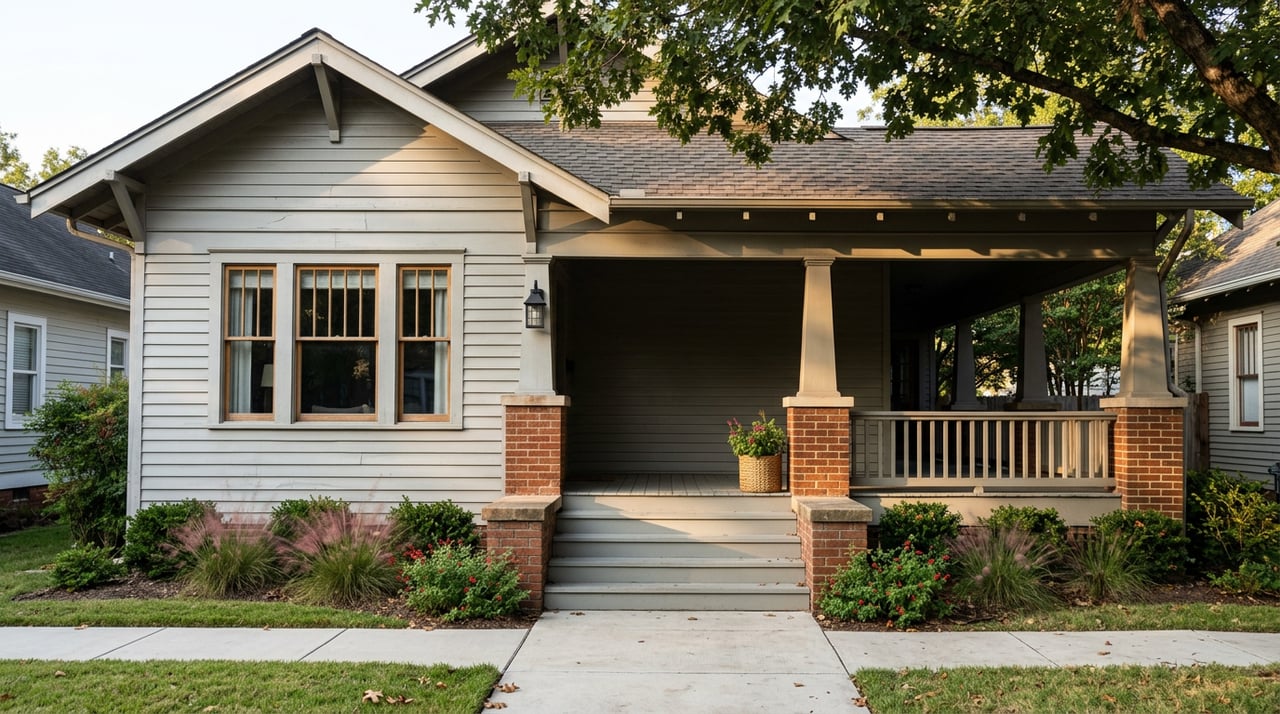
Homes built through the 1950s to 1970s near downtown Burleson often sit on shallow footings, sometimes pier and beam, that were never engineered for how aggressively this clay moves. That house has already been through decades of wet-dry cycles. Whatever damage the soil was going to cause has largely already happened, and it's visible if you know what to look for. Newer slab construction, especially from the 1990s forward, is better engineered for the soil, but "better engineered" isn't the same as immune. Drainage still matters. A downspout that dumps water against the foundation or a grading mistake that channels rain toward the house can undo a lot of that engineering, regardless of how new the slab is.
That's the real contrast buyers should be weighing, not old versus new as a proxy for risk, but finished cycle versus unfinished cycle. An older Old Town home has shown its hand. A one-year-old slab in a newer development hasn't yet, no matter how good the drywall looks today.
The disclosure question sellers get wrong
If you're selling a Burleson home that's already had foundation work done, the paperwork matters more than the fix itself. Because normal soil movement typically isn't a covered insurance event, the repair was almost certainly paid out of pocket or financed directly with the repair company, not settled through a homeowner's policy. That distinction affects how the repair should be framed in your disclosure and what documentation a buyer's lender or inspector will want to see.
Buyers and their inspectors will generally want the engineering report from the original evaluation, the scope of repair performed, and whether the warranty on that repair work is transferable to a new owner. A lifetime warranty on pier installation is only worth something to a buyer if it actually transfers. Sellers who gather that paperwork before listing tend to move through option periods faster, because the buyer's inspector isn't starting from zero.
One more detail worth knowing before you assume a permit trail exists: the City of Burleson does not typically require a building permit for standard residential pier installation. That means the paperwork you're relying on to prove a past repair happened correctly is the contractor's own documentation, not a city record. Ask for it in writing, and ask for it before you're staring down an option period deadline.
What this means if you're under contract right now
- If you're buying new construction, write the eleven-month inspection date into your own calendar the day you close. Nobody else is going to remind you.
- If you're buying resale near Old Town or any neighborhood with 1950s to 1970s housing stock, budget time in your option period for a possible structural engineer referral. It's common enough here that it shouldn't derail your timeline if you plan for it.
- If you're selling a home with prior foundation work, pull the engineering report and repair paperwork before you list, not after an inspector asks for it.
- If your inspector recommends a structural engineer, treat that as the system catching something early, not as a reason to walk away automatically.
Peak inspection season in this market runs March through August, which means scheduling can get tight right when option periods are shortest. Booking your inspector the same day your offer is accepted isn't excessive caution here, it's how you protect your option period.
Frequently asked questions
Does Burleson require a permit for foundation repair? No. The city does not typically require a permit for standard residential pier installation, so any proof of past repair work comes from the contractor's records rather than a city filing.
Will my homeowners insurance cover foundation damage from clay soil? Generally, no. Texas homeowners insurance typically covers foundation damage from sudden events like a plumbing leak, but excludes damage from normal soil movement and settling, which is the primary cause of foundation issues in Burleson.
How long does a typical foundation repair take? Most residential jobs in Burleson are completed in one to two days for a standard pier installation, though more extensive repairs involving multiple issues can take up to a week.
When should I schedule my 11-month warranty inspection? Before your builder's one-year warranty expires, and ideally with enough lead time to schedule a follow-up structural engineer evaluation if the inspector recommends one.
If you're weighing a new build against a resale in Burleson, or you're getting ready to list a home that's had foundation work done, this is exactly the kind of transaction detail worth talking through before you're under a deadline. Niles Realty Group coordinates with local inspectors, engineers, and title partners as part of one closing process, so nothing gets discovered late. Request a Free Home Valuation and let's talk through your specific address and timeline.