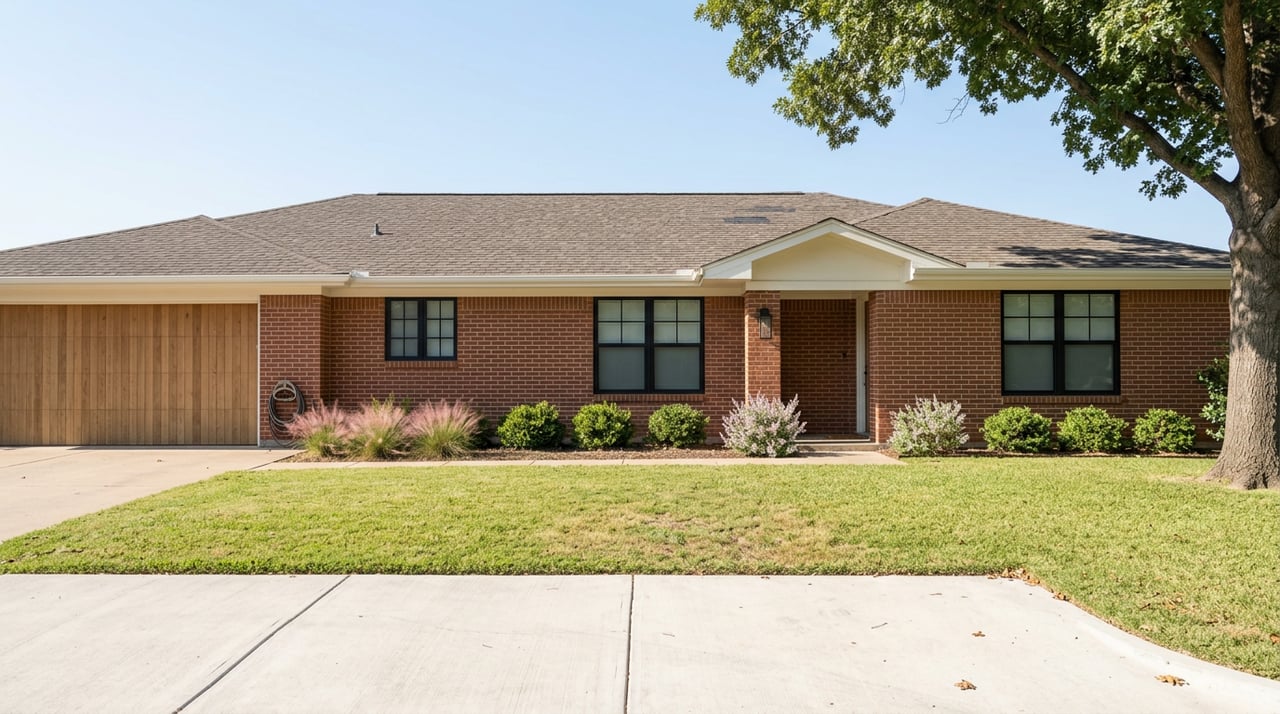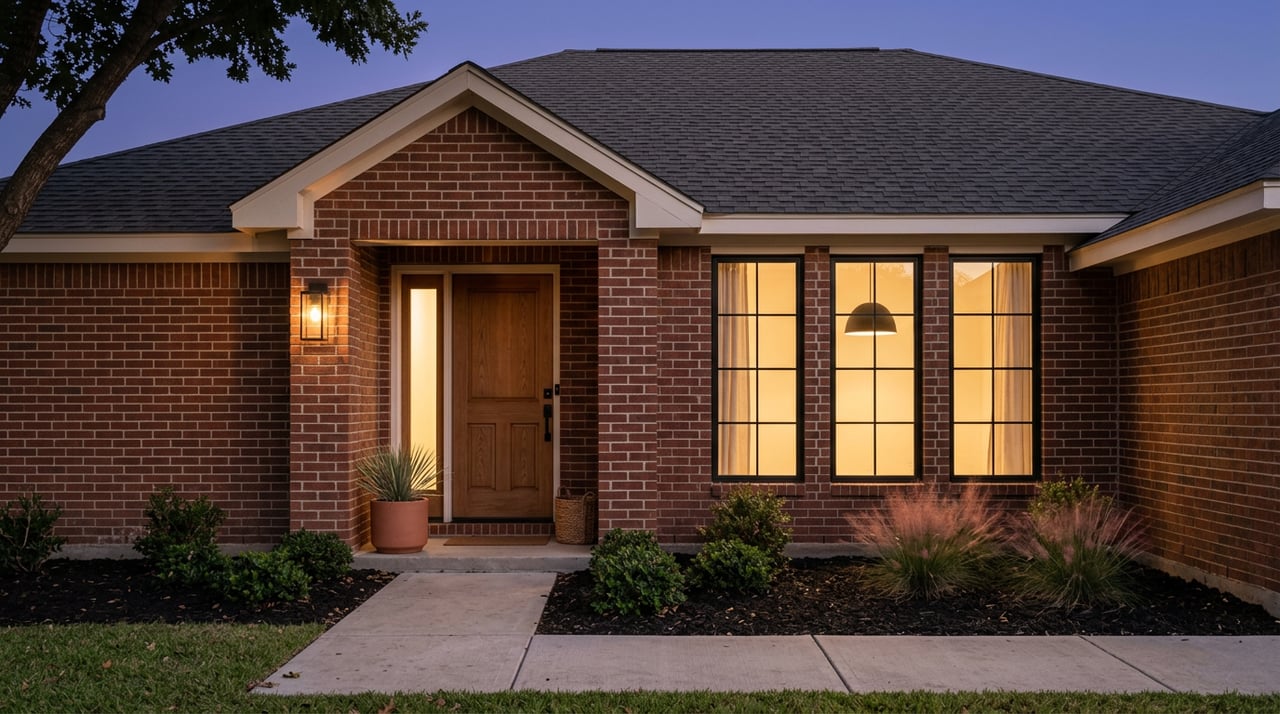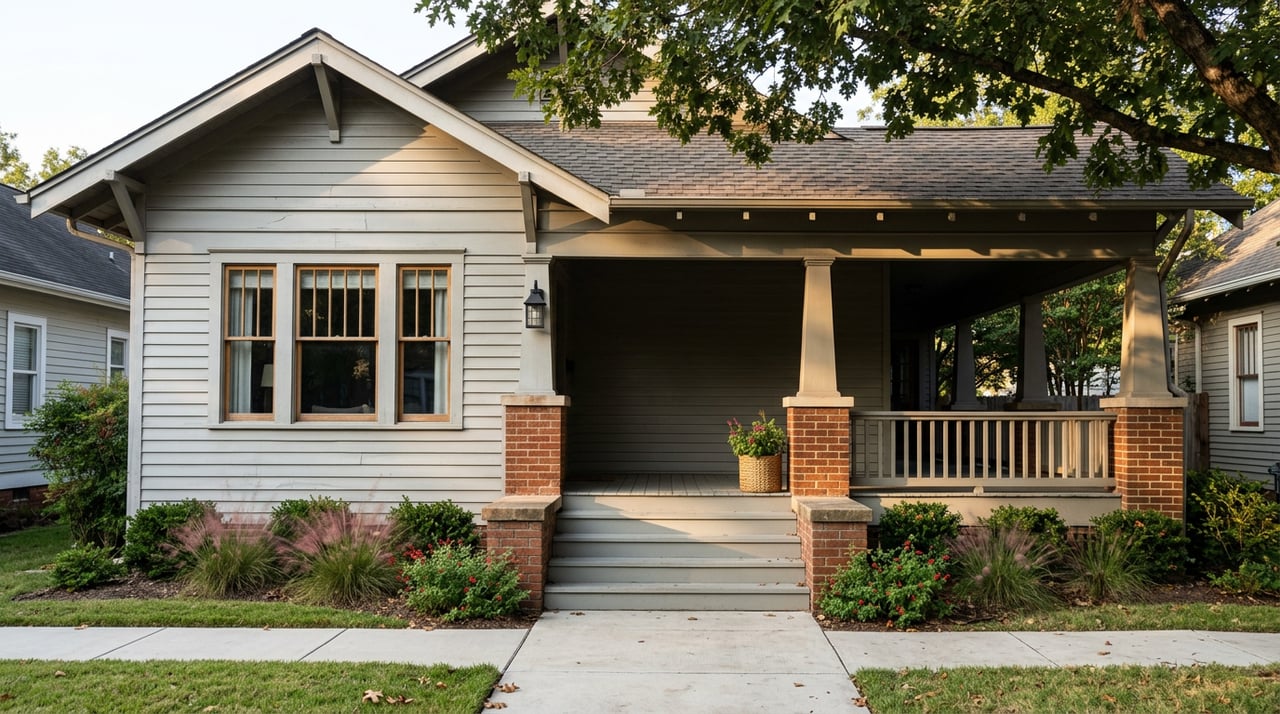
A buyer under contract on a bungalow near Magnolia Avenue gets the inspection report back. Nothing catastrophic. Original single-pane windows, original wood siding, a roof that's due in a few years. The buyer's lender wants the windows replaced before funding. A contractor gets lined up. Then someone mentions that the house sits inside Fort Worth's Fairmount/Southside Historic District, and window replacement on a contributing structure needs a Certificate of Appropriateness before a permit gets pulled. The commission that issues those certificates meets once a month.
That is the moment most buyers first learn what they actually bought. Not a house with a review board attached to it. A house with a calendar attached to it.
Fairmount is the largest locally designated historic district in Fort Worth, roughly one square mile just south of downtown, built out across about 20 subdivisions platted between 1883 and 1907. It was listed on the National Register of Historic Places in April 1990 and carries a local Historic and Cultural Landmark overlay that covers more than a thousand structures, most of them Craftsman bungalows and American Foursquares raised between the 1880s and the 1920s. The district's charm is not in dispute. What buyers underprice, again and again, is the timeline that comes with it.
The clock nobody puts in the contract
Any exterior change in Fairmount that isn't routine in-kind repair needs a Certificate of Appropriateness from Fort Worth's Historic and Cultural Landmarks Commission. Applications are due the third Monday of each month, and hearings are held the second Monday of the month after that. Do the arithmetic and the best case is roughly three to four weeks from submission to a decision. Miss the monthly cutoff by a few days and you're waiting closer to two months, because your application rolls into the following cycle before it's even eligible to be heard.
That window assumes a clean application. Anything the commission's staff flags for revision, an inconsistent column proportion, a driveway that comes in a foot over the district's cap, a roof plan drawn at the wrong scale, resets the clock. And if the change touches a contributing structure that someone wants to demolish rather than repair, the district can invoke a demolition delay that holds the building for up to 180 days while significance gets assessed.
None of this shows up on a listing sheet. It shows up three weeks after closing, when a buyer who budgeted for a kitchen remodel realizes the remodel is also budgeted on the commission's schedule.
What actually triggers a review
The rules aren't arbitrary and they aren't universal. Routine in-kind repair using matching materials generally doesn't need a certificate. But a surprising amount of what a normal buyer considers cosmetic does:
- Painting unpainted masonry requires a Certificate of Appropriateness. Painted brick that's already painted does not trigger the same review.
- Metal roofing requires a certificate, even as a like-for-like replacement.
- A front entry driveway is capped at one car width or ten feet, whichever is less. Fort Worth planning staff have flagged proposed driveways for coming in as little as a foot over that line.
- Columns, when replaced, have to match the style and material typical of the home's original period, not just look similar from the street.
The pattern across all of it is the same. Fairmount's guidelines aren't policing whether a house looks nice. They're policing whether a change is reversible enough, or consistent enough with the block, that the commission is comfortable signing off. That standard is subjective in a way a buyer used to a standard suburban permit process usually isn't prepared for.
Why identical blocks carry wildly different prices
This is where the calendar becomes a pricing mechanism, not just an inconvenience.
As of spring 2026, listings across the district have spanned roughly $285,000 to $575,000, and smaller bungalows and condos have still traded under $300,000 this year even as the district's median list price climbed to about $524,000 in July 2026, with homes spending a median of 41 days on the market, unchanged from July 2025. That's an enormous spread for houses sitting on the same tree-lined blocks, built in the same two decades, subject to the exact same review board.
Square footage and finish quality explain part of it. But a meaningful piece of that spread is who already paid the calendar cost and who hasn't. A fully renovated Craftsman with new windows, a matched roof, and a rebuilt foundation has already cleared every Certificate of Appropriateness its work required. The buyer of that house is purchasing someone else's finished review process along with the house. The buyer of the original-condition bungalow at the bottom of the range is purchasing the house and an unopened queue ticket. The discount on that second house isn't really a discount. It's a prepayment for time the next owner is going to spend waiting on a commission that meets twelve times a year.
The money that offsets the wait
Fort Worth doesn't ask owners to absorb the process for nothing. Properties with a standard Historic and Cultural Landmark designation qualify for a ten-year freeze on city property taxes at the pre-renovation assessed value of the land and improvements, provided the owner invests at least 30 percent of the improvement's assessed value in the rehabilitation, or a minimum of $3,000 if that 30 percent figure comes in lower. Properties that qualify as Highly Significant Endangered, meeting a stricter threshold and facing a real risk of loss, get the same deal stretched to fifteen years. On top of the city freeze, the Texas Historic Preservation Tax Credit offers 25 percent back on eligible rehabilitation costs at the state level.
Stack those together and a buyer who goes in with eyes open on the timeline can come out ahead financially over a decade. The problem isn't that the math is bad. The problem is that almost none of it helps a buyer who needs a specific repair done in the next 30 days to satisfy a lender.
Where this specifically catches financed buyers
A cash buyer can live with a house exactly as it is while a Certificate of Appropriateness works its way through the calendar. A financed buyer often can't, because the lender's underwriting frequently conditions funding on repairs being complete, not scheduled. That creates a sequencing collision that has nothing to do with the buyer's creditworthiness and everything to do with two institutions running on incompatible clocks. The lender wants proof of completed work before closing or before a draw releases. The commission that has to approve that work meets once a month and can bounce an application back for a redraw.
This is also why historic designation cuts both ways for sellers. A design review requirement narrows the buyer pool to people who either want the house exactly as it stands or who have the patience and financing flexibility to work around a monthly commission schedule. That narrower pool tends to mean longer negotiation and more price sensitivity, which is baked into why original-condition Fairmount houses sit at the low end of that $285,000 to $575,000 range rather than the middle.
Before writing an offer in Fairmount, a few things are worth confirming rather than assuming:
- Verify the specific parcel's overlay status with Fort Worth's Development Services Department. Historic and Cultural Landmark designation applies at the property and district level, and boundary edges can surprise people.
- Ask the seller directly whether any Certificate of Appropriateness applications are pending, approved, or expired on the property. An approved but unused certificate can sometimes transfer with the sale.
- If a lender is going to condition funding on repairs, find out during the option period whether that repair scope needs commission review, and if so, start that conversation with planning staff before the option period closes rather than after.
- Budget the calendar, not just the invoice. A repair that costs $4,000 and takes a contractor three days can still take two months if it needs a certificate first.
The same math applies just outside Fairmount's boundary in Ryan Place, Mistletoe Heights, and along Elizabeth Boulevard, all of which carry their own local historic overlays. The commission, the monthly cadence, and the tax freeze structure are the same across all of Fort Worth's local districts. Fairmount is simply the largest one, which makes it the place most buyers encounter this friction first.
None of this is a reason to avoid the district. Fairmount's appreciation history and its walk to Magnolia Avenue's restaurants are real advantages that the calendar doesn't cancel out. It's a reason to price the timeline into the decision with the same seriousness as the sale price, because in Fairmount, the commission's schedule is as much a part of the deal as the appraisal.
If you're weighing a historic bungalow against a newer build somewhere else in Fort Worth, or you already own a house and are wondering what it might be worth as you consider a move into a district like this, the team at Niles Realty Group can walk through the specific parcel, the review history on the house, and what your timeline actually looks like before you write an offer. Request a Free Home Valuation to start that conversation.