Are you wondering how to price your Arlington home when the weather cools and the holidays kick in? You are not alone. Winter brings fewer listings and fewer casual shoppers, but the buyers who are out often need to move. In this guide, you will learn how to set a price that fits winter realities in Arlington, what to watch in the data, and how to prepare your home so it stands out. Let’s dive in.
Why winter pricing in Arlington is different
Winter usually brings a smaller buyer pool and longer days on market. At the same time, inventory often dips, which can help well-priced homes capture attention fast. Many winter buyers are motivated by relocation, job changes, or family needs. That motivation rewards listings that are priced right and presented well.
Arlington’s location between Dallas and Fort Worth, easy access to I‑20, I‑30, and SH 360, and proximity to employment centers shape demand across neighborhoods. University of Texas at Arlington adds steady rental and owner-occupant interest near campus, and entertainment anchors like AT&T Stadium and Globe Life Field create micro-markets where timing and events can affect showings. Your pricing strategy should reflect these local patterns, not just county-wide averages.
Your step-by-step pricing game plan
Gather current local market metrics
Start with data from the most recent monthly market snapshot for Arlington or Tarrant County. Focus on these metrics for the last 30 to 90 days:
- Median sale price and average sale price
- Active listings, new listings, and pending-to-active ratio
- Months of inventory and median days on market
- Sale-to-list price ratio
- Price per square foot by neighborhood or subdivision
Check the latest mortgage rate trends as well. Rates shape buyer budgets. For a quick read on weekly rate movement, review the Freddie Mac Primary Mortgage Market Survey.
Build a precise CMA
A solid Comparative Market Analysis is your foundation. Use sold comps from the past 30 to 90 days when possible, and up to 6 months if inventory is thin. Include pending and active listings to size up your current competition.
Prioritize comps in the same neighborhood or within about a mile. Adjust for square footage, lot size, beds and baths, condition and age, major updates, and features like garage, patio, pool, or outdoor living. Aim to compile 10 to 15 comps and highlight the 3 to 5 most similar solds as your anchors. Document your adjustments so the pricing logic is clear.
Choose the right pricing strategy
Your strategy should match market conditions and your timeline:
- Market pricing: List near true-market value, typically within 1 to 3 percent of your CMA. This fits balanced or seller-leaning conditions.
- Aggressive pricing: List slightly under market to spark early interest and potential multiple offers. This can work well in low-inventory winters for homes with broad appeal.
- Aspirational pricing: Listing above market is risky in winter. Use only if your property has strong differentiators and you have a flexible timeline.
Set a smart adjustment plan
Monitor showings and feedback closely for the first 7 to 14 days. If traffic or offers lag, consider small, staged reductions of about 1 to 3 percent. Agree on thresholds before you list, such as how many days without an offer or how many showings without serious interest. Try non-price tweaks first, like enhanced photos, refreshed staging, or better showing access.
What Arlington factors mean for value
Location and commute access
Homes with convenient access to I‑20, I‑30, and SH 360 appeal to commuters heading into Dallas, Fort Worth, or nearby employment hubs. Pricing should reflect drive-time convenience and neighborhood alternatives at similar price points. Highlight this clearly in your listing to help buyers compare value.
Near UTA and entertainment districts
Properties near the University of Texas at Arlington or close to entertainment areas can see different demand patterns. Academic calendars and event schedules can shape showing traffic. Use fresh comps that capture these dynamics so your price aligns with how buyers shop those micro-markets in winter.
Schools and neighborhood context
School districts influence how family buyers compare homes. Keep your analysis neutral and data-driven. Use recent neighborhood comps and days-on-market trends rather than assumptions, and present features that matter to many buyers, such as functional layouts, updated systems, and outdoor spaces.
Winter prep that protects your price
Curb appeal and warm staging
Arlington’s winters are generally mild, so keep the lawn trimmed, remove dead plants, and add simple seasonal greenery or lighting. Inside, use layered lighting, lighter paint touchups, and cozy textures to make rooms feel bright and inviting. Keep holiday decor tasteful and minimal so spaces appear open and neutral.
Maintenance that reassures buyers
Have your HVAC serviced and keep the documentation handy. Check the roof, gutters, and plumbing for issues and address small fixes that can raise perceived value, like exterior caulk, door hardware, and lighting. Disclose known issues according to Texas rules and consider a pre-list repair plan for items that could stall inspections.
Photos, showings, and timing
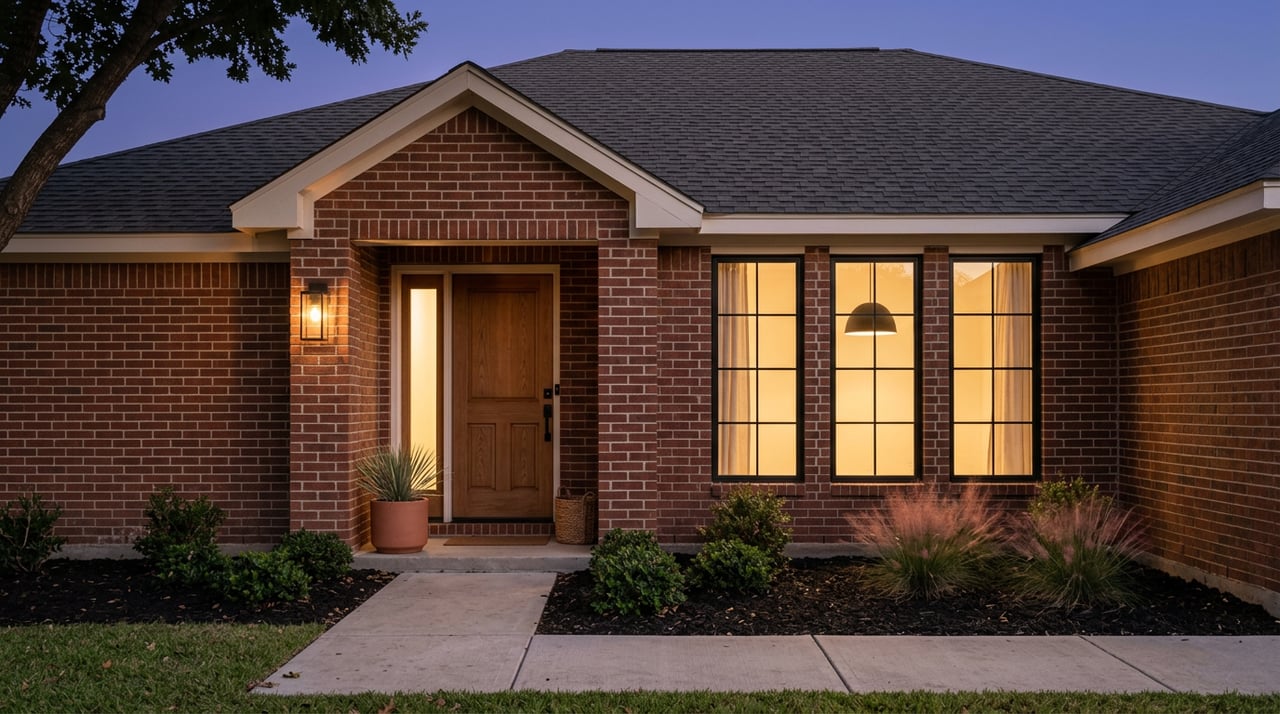
Schedule photography on bright days and consider a twilight set that shows off evening curb appeal. Offer flexible showing windows around holidays and school breaks. Be open to longer inspection or closing timelines, especially if buyers need relocation support or rate locks.
Rates, affordability, and your price
Mortgage rates affect how high buyers can bid. When rates rise, purchasing power drops, which can shift your optimal price band. When rates ease, demand can firm up and support market pricing or limited underpricing strategies. Track weekly movements through the Freddie Mac Primary Mortgage Market Survey, and be ready to reassess if rates change meaningfully while you are on market.
Taxes, disclosures, and local rules
Property taxes and prorations matter to your bottom line. In Texas, taxes are commonly prorated at closing. Appraised values, exemptions, and deadlines are managed by the Tarrant Appraisal District. You can confirm parcel details and learn about exemptions by visiting the Tarrant Appraisal District.
Texas requires sellers to disclose known material defects. Standard forms and guidance are available through the Texas Real Estate Commission. “As-is” listings still require full disclosure. When in doubt, consult your licensed Texas agent or an attorney to ensure accurate completion of forms.
For a broader view of regional market trends that can influence pricing, the Texas A&M Real Estate Center publishes research and analyses on Texas housing.
Quick seller checklist
Use this list to prepare before you pick your list price:
- Latest Arlington or Tarrant County snapshot: median price, months of inventory, median days on market, sale-to-list ratio
- A CMA with 10 to 15 comps, highlighting the 3 to 5 strongest sold comparables
- Your pricing strategy and backup plan if activity is light after 7 to 14 days
- Recent HVAC, roof, and major systems service records
- HOA documents or neighborhood rules if applicable
- Property tax and exemption information from the Tarrant Appraisal District
- Seller disclosure forms and any repair estimates
- Your marketing calendar, including photo day, listing launch date, open house plan, and showing instructions
Ready to price with confidence
Winter can work in your favor when you use data, prepare for the season, and stay responsive to early market feedback. If you want a local, no-pressure pricing plan and a smooth path to closing, our team is here to help. With in-house mortgage and title resources, neighborhood-level expertise, and a family-first approach, you get clear guidance and a streamlined process. Reach out to Niles Realty Group to request your custom CMA and Request a Free Home Valuation.
FAQs
Is winter a bad time to sell in Arlington?
- Not necessarily. Inventory often drops, and motivated buyers are still active, so a well-priced, well-presented home can sell efficiently.
Should I lower my price just because it is winter?
- Only if the data and buyer feedback support it. Monitor showings and interest for 7 to 14 days and adjust in small steps if activity lags.
How many comparables should I include in my CMA?
- Aim for 10 to 15 comps, including sold, pending, and active. Use the 3 to 5 most similar solds as your anchors.
How big should my first price reduction be in Arlington?
- Many sellers use staged reductions of 1 to 3 percent. Timing and early market feedback matter more than the exact amount.
How do mortgage rates affect what I can list for?
- Higher rates lower buyer budgets, which can cap offers and favor competitive pricing. Track weekly trends with the Freddie Mac PMMS and adjust if rates shift.
Where can I find Arlington tax or disclosure info?
- Visit the Tarrant Appraisal District for tax and appraisal details, and the Texas Real Estate Commission for seller disclosure forms and guidance.