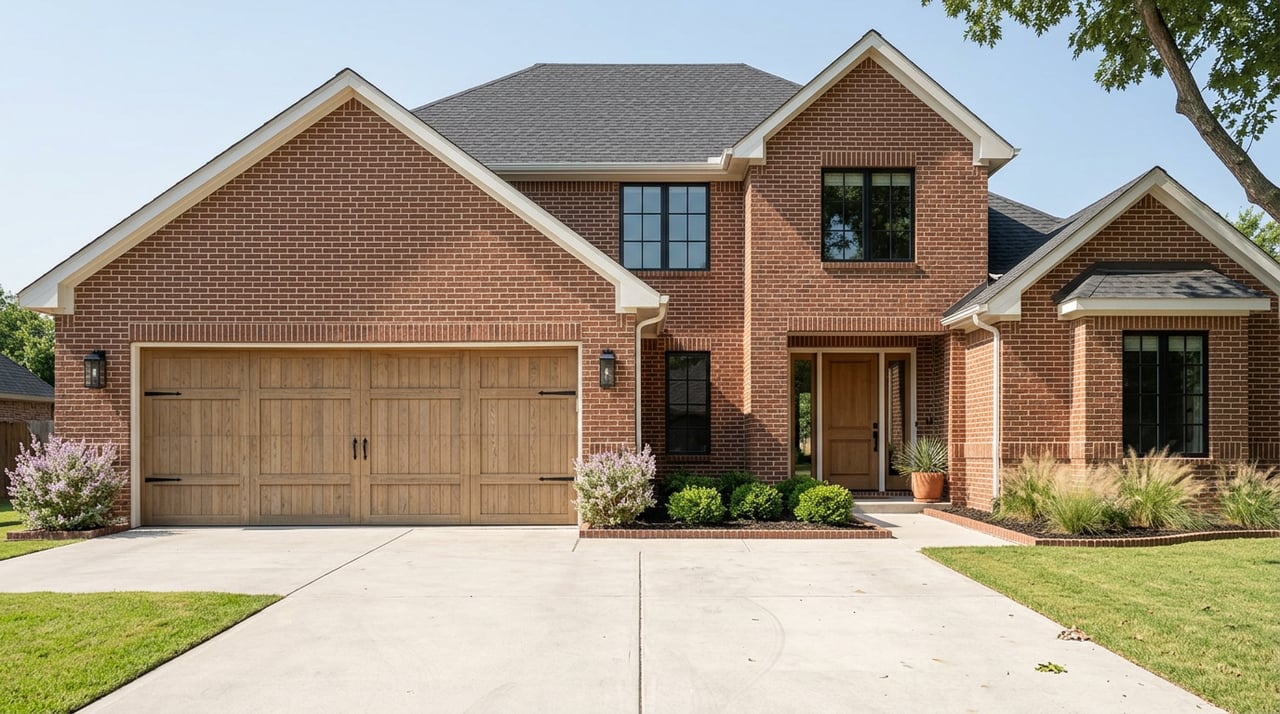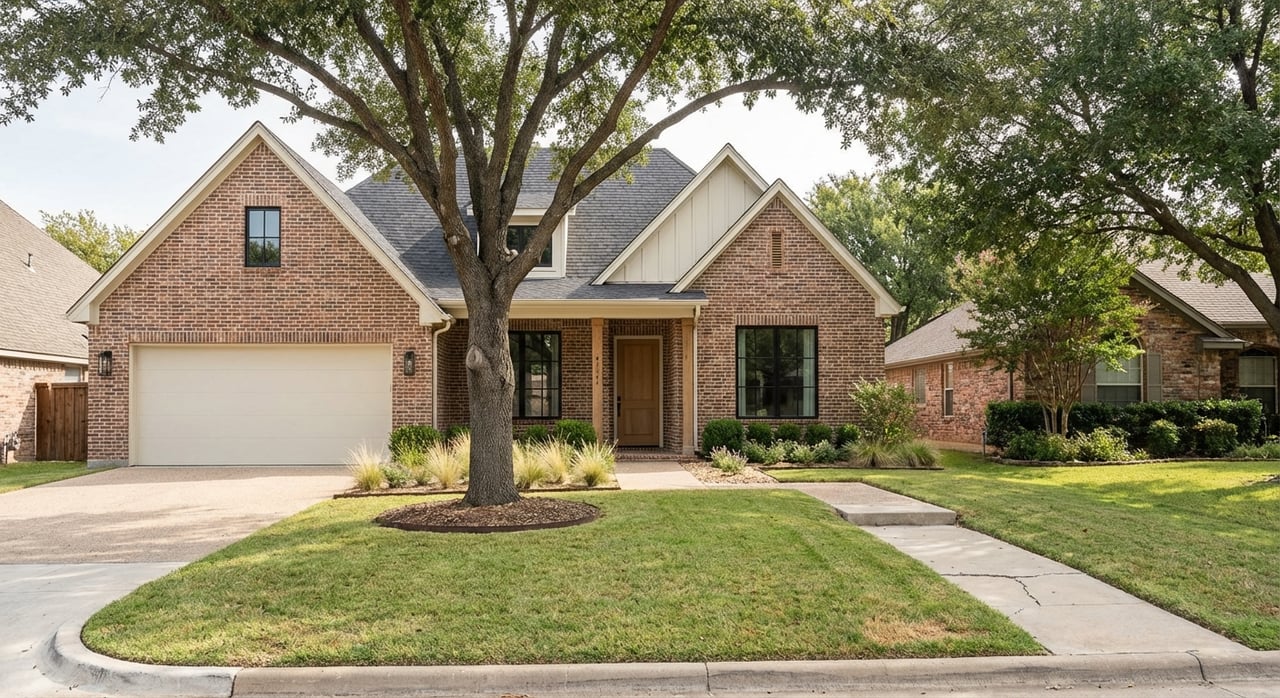
Wondering if a brand-new build or a classic Fort Worth neighborhood fits you best? You are not alone. Many buyers weigh modern layouts and builder warranties against tree-lined streets and close-in convenience. In this guide, you will learn how prices, taxes, commutes, inspections, and warranties differ so you can choose with confidence. Let’s dive in.
Fort Worth market at a glance
To keep comparisons consistent, this guide uses Zillow’s ZHVI typical home value for Fort Worth as a baseline, which is about $292,000 as of January 31, 2026. Inventory has been rising compared with the very tight pandemic years, which gives you more room to compare both resale and new construction options and negotiate terms where appropriate. Local reporting noted higher months of inventory and longer days on market in 2024–2025, a shift that helps buyers evaluate more homes side by side. You will also see many new subdivisions coming online because the DFW region remains a national leader in single-family permitting.
If you are shopping price, keep in mind that the historical premium for new homes has narrowed at times. In some periods, existing homes were priced higher than certain new builds due to builder incentives and smaller new-home footprints. That national pattern has influenced DFW as well, so compare by neighborhood and finish level, not just by the label of new or resale.
- Local market context: see the Greater Fort Worth Association of Realtors reporting on rising inventory and a cooler pace in early 2025 for buyer leverage (source: DFW Agent Magazine). (View the report)
- Regional supply: Texas and DFW continue to post high single-family permit counts, which supports ongoing new-home availability. (Regional construction activity)
- Pricing relationship: economists note the narrowing new-vs-existing premium nationally, a dynamic visible in Texas markets. (New vs. existing price analysis)
Established neighborhoods: what you get
Character and lot sizes
If you value mature trees, classic architecture, and a sense of history, established Fort Worth areas such as Fairmount, Arlington Heights, and pockets near TCU and West 7th deliver that feel. Many lots in these neighborhoods commonly range from about 5,000 to 9,000 square feet, and you will see Craftsman bungalows, early-20th-century homes, and mid-century styles. You are trading newer mechanicals for charm and proximity to city culture and dining. Always confirm exact lot dimensions on the survey or tax record before you make an offer.
Inspections and maintenance
Older homes deserve a thorough inspection plan. In addition to a standard home inspection and termite/WDI check, consider a sewer-scope for older lines and a foundation evaluation if conditions warrant. Expansive clay soils are common across DFW and can influence long-term maintenance needs. Review the inspection timeline built into your contract and use your option period to assess major systems. (TREC buyer FAQ) (Guide to local foundation considerations)
Location and access
Close-in neighborhoods typically offer shorter drives to major civic and cultural anchors like the Cultural District, Sundance Square, and area hospitals. If walkability to museums such as the Kimbell matters to you, expect to pay a location premium for that convenience. Proximity to job centers and transit can also support long-term resale value. (Plan a visit to the Kimbell)
New construction: what you get
Modern plans and amenities
Newer master-planned communities across north and far-north Fort Worth often feature open-concept floor plans, taller ceilings, and energy-efficient systems. You will find neighborhood pools, clubhouses, playgrounds, and trail networks that make daily life simple. Typical lot widths in many phases range from roughly 40 to 75 feet, with lot areas often around 5,000 to 10,000 square feet depending on the product. Examples you will see in the market include Wellington and Marine Creek Ranch among others, each with multiple builders and amenity sets. Always verify lot size and community features for your specific homesite.
One more local change to watch: recent Texas legislation (S.B. 15) streamlined certain rules for new greenfield subdivisions. Builders can more easily plat a wider variety of single-family lot sizes in future phases. This does not force changes in established neighborhoods, but it does mean you will likely see more variety in new-home footprints and yard sizes over time. (Read S.B. 15)
Contracts and warranties
New-home purchases often use builder-specific contracts or TREC’s New Home Contract forms. These agreements can differ from resale forms and sometimes limit traditional contingencies. Ask about stage inspections, how delays are handled, and whether you can bring an independent inspector for pre-drywall and final walkthroughs. (TREC New Home Contract)
Builder warranties matter. Many builders historically offered 1-2-10 plans. Texas law now allows an alternative qualifying warranty structure commonly referred to as 1-2-6, and if a builder uses it, the statute of repose can shorten to six years for certain single-family homes. Read warranty terms closely, including coverage limits, whether a third party administers the warranty, and transfer rules. (Texas legislative update on warranties)
Taxes and special districts
Many new subdivisions sit inside special districts such as Municipal Utility Districts. A MUD adds a separate tax rate on your annual bill that helps repay infrastructure bonds. That rate is in addition to city, county, and school taxes and can materially change your monthly payment. Ask your agent to pull the parcel’s taxing entities and current rates and to estimate the payment impact before you commit. (What is a MUD?)
Commute, transit, and daily life
Start with a baseline: the mean commute time for Fort Worth residents is about 27 minutes, but your route, time of day, and job center matter. If you are commuting to downtown, the Cultural District, Alliance, or DFW Airport, weigh drive times from your short list of neighborhoods during your actual commute hours. Proximity to rail stations can change the equation if you plan to use transit. (Fort Worth QuickFacts)
Know the major corridors. I-35W is a core north-south route that has seen phased improvements. I-30 connects Fort Worth and Dallas, while I-20 and Loop 820 carry significant east-west traffic. TxDOT projects, including on I-820, can affect congestion during construction. If you live south or southwest, the Chisholm Trail Parkway toll road may improve access toward downtown. (I-35W corridor update) (TxDOT I-820 project info) (Chisholm Trail Parkway overview)
Transit can help. Trinity Metro operates buses, TEXRail to DFW Airport, and shares the TRE line to Dallas. If you value transit access, consider how close a potential home sits to a station or frequent bus corridor. Check current schedules and service notices before you buy. (Trinity Metro services)
Decision checklist: new build or resale?
Use this quick framework to match your priorities to the right path.
Budget and total cost: factor purchase price plus taxes and HOA or MUD. New homes can be competitive due to builder volume and incentives, but upgrades and lot premiums add up. Resales may command location or character premiums. Model total monthly cost before you decide. (Regional new-home activity context)
Timeline and certainty: if you need keys soon, resale usually wins on speed. If you can wait for a spec or build-to-order schedule, you gain customization but accept potential delays. Compare builder delivery timelines and contract remedies side by side.
Lot and outdoor priorities: established areas often have mature landscaping and irregular lots. New communities offer planned parks, trails, and amenity centers. With S.B. 15 in effect, expect a wider variety of lot sizes in future greenfield phases. Confirm exact lot dimensions and HOA rules early.
Schools and long-term resale: campus assignments and accountability data are important to many buyers and can influence values. Always verify the specific parcel’s boundaries and check current district or TEA updates before you write an offer. (FWISD accountability resources)
Structural risk and maintenance: older resales can need system updates or foundation work, especially with local soils. New homes lower near-term repair risk but come with builder warranty limits and community covenants. Consider a foundation review when conditions indicate and scope older sewer lines. (Common local foundation concerns)
Negotiation levers: with inventory up, resale sellers may be more flexible on price and repairs. Builders often offer incentives like rate buydowns or closing cost help, but contracts can be less flexible. Compare the total economics and your protections, not just sticker price. (Local market trend context)
Cost example: how taxes change the math
Property taxes can swing affordability, especially in areas with special districts.
- Example scenario for illustration only: home price $300,000 and assessed value $300,000. If your combined city, county, and school rate is 2.50 percent and the property also sits in a MUD at 0.75 percent, the estimated annual tax would be $9,750. That equals about $812.50 per month added to your mortgage payment. Actual rates vary by property and change over time.
- What to do next: ask your agent to pull the parcel’s taxing entities from Tarrant Appraisal District and use those exact rates for your estimate. Cross-check the City of Fort Worth’s adopted rate on the current budget page to keep your model up to date. (City budget and tax info) (What is a MUD?)
How we help you compare
Choosing between a new build and an established neighborhood should feel clear, not stressful. Our team helps you model total monthly cost, verify commute times, confirm campus boundaries, and review contract and warranty terms before you commit. With in-house mortgage and title resources, we can coordinate timelines and numbers under one roof so you know exactly what to expect.
If you are ready to tour both options side by side, reach out to Niles Realty Group. We will help you narrow your list to the homes that fit your budget, timeline, and long-term goals.
FAQs
What are typical Fort Worth home prices right now?
- As a baseline for this guide, Zillow’s ZHVI reports a typical Fort Worth home value near $292,000 as of January 31, 2026, though list and sale medians vary by source and neighborhood.
How do MUD taxes affect new-construction affordability?
- A MUD adds its own rate on top of city, county, and school taxes, so your annual bill can be higher in certain new subdivisions; always use the parcel’s actual taxing entities and current rates to estimate.
What inspections should I order on an older Fort Worth home?
- Plan for a general inspection and termite/WDI check, and consider a sewer-scope and foundation evaluation due to local clay soils and the age of systems in established neighborhoods.
What should I look for in a Texas builder’s warranty?
- Confirm coverage periods for workmanship, systems, and structure, whether a third party administers claims, if the warranty is transferable, and how the builder’s warranty interacts with Texas’ statute of repose. (Learn more)
How will my commute differ between close-in and far-north areas?
- The citywide mean commute is about 27 minutes, but access to I-35W, I-30, Loop 820, and Chisholm Trail Parkway or proximity to TEXRail/TRE stations can materially change your time door to door. (Commute baseline)
Can I negotiate more on a resale than a new build today?
- With inventory up compared with the pandemic peak, resale sellers may be more flexible on price and repairs, while builders tend to offer structured incentives like rate buydowns and closing cost credits. (Market context)