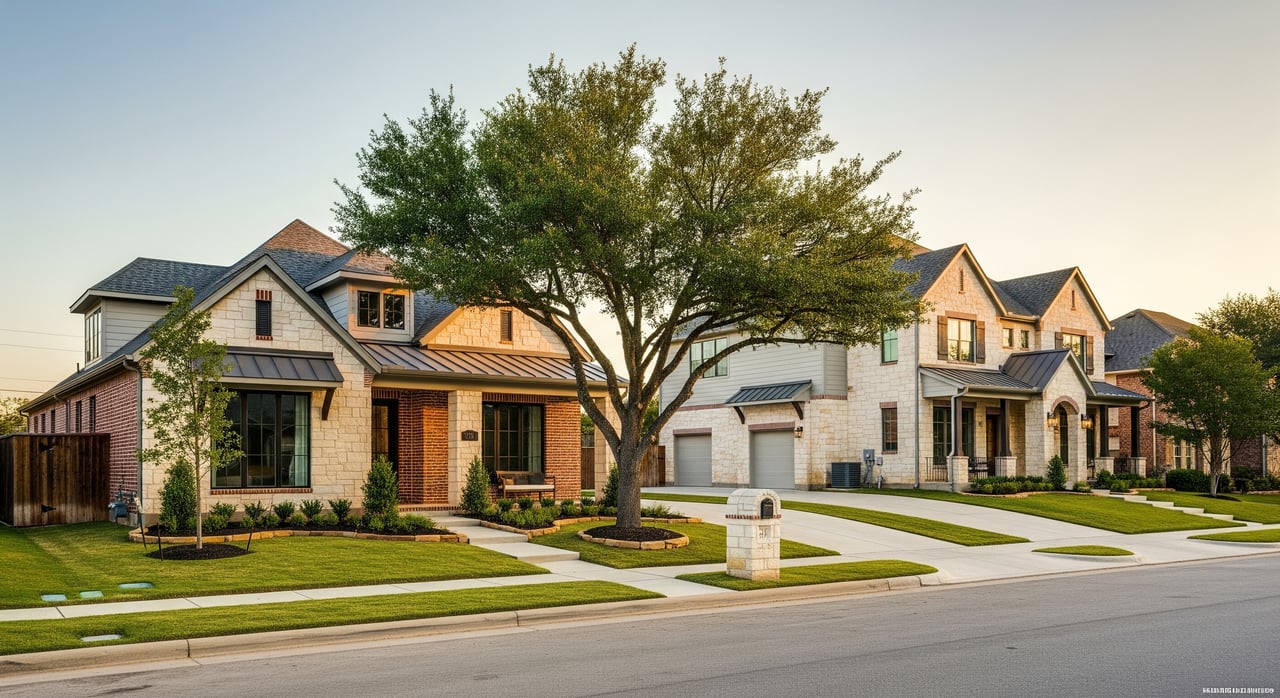
Thinking about buying a rental in Pantego but not sure if a single-family home or a duplex will deliver better returns? You’re not alone. In a small, in-demand town surrounded by the Fort Worth–Arlington job engine, both options can work if you understand how the numbers, tenants, and local rules play together.
In this guide, you’ll learn how to compare ROI using the right metrics, where expenses can surprise you in Tarrant County, and what due diligence to complete before you write an offer. You’ll also get a clear, side-by-side look at how single-family homes and duplexes perform in the real world. Let’s dive in.
Pantego rental market at a glance
Pantego sits inside the larger Fort Worth–Arlington metro, so most rental trends track regional demand. The Dallas–Fort Worth area has seen strong population and job growth in recent years, which has supported steady renter demand and rent growth across many submarkets. Because Pantego is close to employment centers, highways, and everyday amenities, demand for smaller single-family rentals and infill duplexes tends to be consistent.
Local results still depend on the block and property specifics. Rents and vacancy vary by neighborhood characteristics, lot features, and proximity to major corridors. Strong regional growth helps long-term stability, but your individual property’s location and condition drive actual income.
The ROI toolkit you need
Key metrics to compare properties
- Gross Rent Multiplier: Purchase price divided by annual gross rent. Use this to screen quickly, but remember it ignores expenses.
- Net Operating Income: Annual gross rent minus operating expenses (excludes mortgage). This powers your cap rate.
- Capitalization Rate: NOI divided by purchase price. Helpful for comparing yield across different properties.
- Cash-on-Cash Return: Annual pre-tax cash flow divided by your cash invested. Most useful if you finance the purchase.
- Total Return: Cash flow plus appreciation and tax benefits over your holding period.
Expenses that move the needle in Tarrant County
- Property taxes: Texas property taxes combine city, county, school, and special district rates. This is a major annual expense, so use property-specific data from the appraisal district.
- Insurance: Regional wind and hail exposure can raise premiums. Use landlord policies and price loss-of-rent coverage where it makes sense.
- Maintenance and repairs: A common starting assumption is 1 to 2 percent of property value annually. Older buildings or multiunit setups can run higher.
- Property management: Expect around 6 to 12 percent of monthly rent. Duplexes with two leases may require slightly more coordination.
- Vacancy and turnover: Budget a vacancy allowance, often 5 to 10 percent depending on submarket and property type.
- Utilities and common areas: Confirm who pays which utilities. Duplexes can have shared areas and systems.
- Capital expenditures: Plan for roof, HVAC, appliances, and periodic system updates with a dedicated reserve.
Single-family vs duplex: how returns differ
Income potential
- Duplex: Two separately priced units can produce higher gross income per dollar of purchase price. You also diversify income with two rent streams.
- Single-family home: Often commands a higher total rent from households that want a yard and garage. Rents per square foot can be lower than small duplex units, but tenant retention may be stronger.
Vacancy and income stability
- Duplex: If one unit goes vacant, you still have income from the other. This helps cushion cash flow during turnover.
- Single-family home: Vacancy means all income stops, though many single-family tenants sign longer leases.
Tenant profile and management intensity
- Single-family: Often attracts longer-term renters who value privacy and outdoor space. Wear and tear can be lower, but expectations for timely maintenance are high.
- Duplex: Two smaller households can mean more moving parts. Coordinating leases and turnovers takes more management, but it is efficient to maintain two units under one roof.
Financing options in plain English
- Duplex: A 2-unit property can qualify for owner-occupied residential financing if you live in one unit. FHA and VA guidelines permit 1 to 4 units for owner-occupants, which can mean lower down payments compared with investor loans. Pure investor loans for 2 to 4 units often require larger down payments and may carry different underwriting.
- Single-family: Straightforward conventional and investor financing. Owner-occupants typically get the best rates and terms.
Zoning and legal basics in Pantego
- Duplexes are classified as 2-unit residential. Whether a specific lot allows a duplex depends on local zoning. Always confirm use with the City of Pantego planning and zoning department and review the municipal code.
- If you are considering short-term rentals, check current rules for Pantego and any county-level requirements.
- Texas landlord–tenant rules are set by the Texas Property Code. Understand notice periods and court timelines before you invest.
Taxes, insurance, and risk
- Depreciation: Residential rentals use a 27.5-year straight-line schedule for federal tax purposes (applies to both single-family and duplex units).
- Property tax appeals: You can appeal appraisal values through the county appraisal district. Given the cost impact, many investors review assessed values annually.
- Insurance: More units and tenants can increase exposure. Price appropriate liability limits and consider loss-of-rent coverage for both property types.
Resale and exit
- Single-family home: Attracts both owner-occupants and investors, which generally means a wider buyer pool and potentially stronger liquidity.
- Duplex: The buyer pool is narrower, often limited to investors and owner-occupants comfortable living in one unit. Well-located duplexes still move, but pricing can be more sensitive to investor sentiment.
Simple modeling steps for a Pantego property
- Estimate purchase price from recent comps on the same block or zip. Include expected closing costs and any initial repairs.
- Set realistic market rent for each unit (or the single-family home) using recent comparable rentals nearby.
- Build your operating expense budget: property taxes, insurance, utilities you will pay, management fees, maintenance, reserves, HOA if applicable.
- Add financing terms: down payment, rate, loan term, and lender fees.
- Include a prudent vacancy allowance and a conservative rent growth assumption.
- Calculate the outputs:
- Effective gross income: annual rents minus vacancy allowance.
- Net operating income: effective income minus operating expenses.
- Cap rate: NOI divided by purchase price.
- Annual debt service and pre-tax cash flow.
- Cash-on-cash return: pre-tax cash flow divided by initial cash invested.
- Total return over 5 to 10 years, including appreciation and tax benefits.
Pro tip: Run a sensitivity check. See how your cash-on-cash changes if your vacancy rises by 2 percent, or if your interest rate increases by 0.5 percent. This shows you where your risk really sits.
Due diligence checklist specific to Pantego
- Confirm zoning and permitted use with the City of Pantego for the exact address.
- Pull parcel data and tax history from the Tarrant County Appraisal District.
- Check FEMA flood maps and obtain landlord insurance quotes before you finalize pricing.
- Order a thorough inspection and get contractor estimates for roof, HVAC, plumbing, electrical, and appliances.
- Verify who pays which utilities and how meters are configured, especially for duplexes.
- Review local ordinances related to rental registration and any short-term rental rules if that is part of your plan.
- Gather vacancy insights from local managers and analyze lease-up timelines for comparable units.
- Understand Texas Property Code timelines for notices and evictions so you can model worst-case scenarios.
- Build a capital reserve plan. Many investors target 5 to 10 percent of monthly rent or 1 to 2 percent of property value per year as a starting point.
Which path is right for you?
Choose a duplex if you want higher potential gross yield, two rental streams to reduce vacancy risk, or the option to live in one unit and rent the other. Expect more lease coordination and a slightly more involved management rhythm.
Choose a single-family home if you prefer simpler management, a wider resale market, and potentially longer tenant stays. Your cash flow may rely more on minimizing vacancy and setting strong renewal terms.
Either path can work in Pantego. The best choice fits your budget, your time commitment, and your comfort with management. The numbers should confirm the fit.
How Niles Realty Group helps
You do not have to navigate this alone. A local partner can pull precise comps, underwrite real rents, confirm zoning, and coordinate inspections, insurance, and property management. With in-house mortgage and title services plus property management resources, our team can streamline the entire process from offer to first rent check.
If you are weighing a single-family purchase against a duplex in Pantego, let us run side-by-side ROI scenarios and talk through the tradeoffs for your goals. Reach out to Niles Realty Group to get started, or request a free home valuation to see what your current property could fund next.
FAQs
What ROI should you target for Pantego rentals?
- Target returns depend on your financing and risk tolerance. Many investors compare cap rate and cash-on-cash returns side by side, then run sensitivity checks for vacancy, taxes, and insurance before deciding.
How does owner-occupying a duplex affect financing?
- In the U.S., 1 to 4 unit properties can qualify for owner-occupied financing if you live in one unit. Terms can be more favorable than pure investor loans, often with lower down payments.
How do Tarrant County property taxes impact cash flow?
- Property taxes are a significant line item in Texas. Always model taxes using the specific parcel’s assessed value and rates, and consider the potential benefit of annual appeals.
Are short-term rentals allowed in Pantego?
- Rules can change and may differ by neighborhood. Confirm current requirements and registration with the City of Pantego before planning a short-term rental strategy.
What vacancy rate should you model for Pantego?
- Use a conservative allowance, commonly 5 to 10 percent, adjusted for the property’s condition, location, and recent leasing comps in the immediate area.
Which costs are often underestimated on duplexes?
- Turnover, make-ready expenses for two units, and shared utility or common-area costs are easy to miss. Add reserves for capital items like roof and HVAC that serve both units.