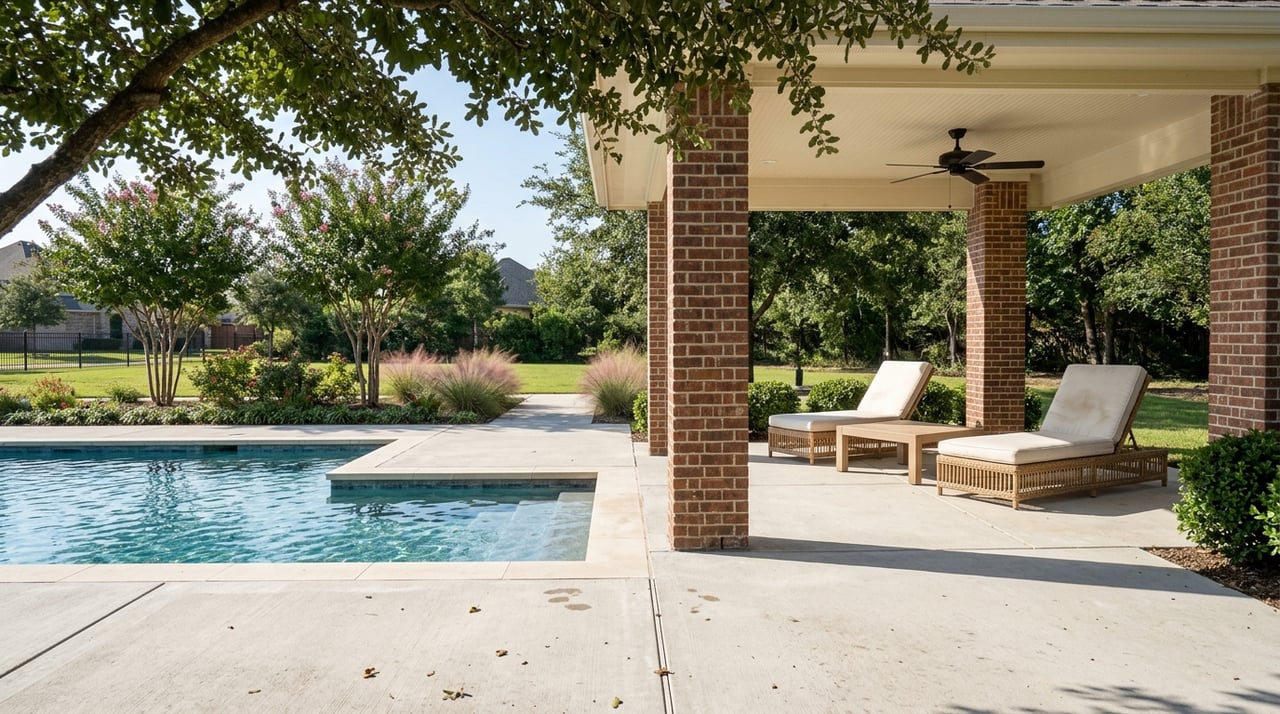
Looking at Mansfield’s new neighborhoods and wondering which master-planned community fits you best? You are not alone. With large amenity centers, trails, and thoughtful design, these communities can make daily life easier and more fun. In this guide, you will learn how master-planned communities work in Mansfield, what amenities and price ranges to expect, how HOA fees operate under Texas rules, and how MPC living compares with non-HOA areas. Let’s dive in.
What is a master-planned community in Mansfield?
A master-planned community is a large, developer-led neighborhood with integrated housing, parks and open space, and shared amenities like pools, trails, and clubhouses. Most are governed by a homeowners or property owners association. For a national overview of how these communities work, see the Community Associations Institute’s summary of association living and what fees typically support in common areas. Learn more about community associations.
Mansfield has seen several large plans take shape. Two of the biggest are M3 Ranch, which spans close to 900 acres, and South Pointe, an 870-plus acre luxury plan. The city is also advancing a 200-plus acre mixed-use district called The Reserve, designed to blend retail, residential, parks, and a town plaza. Many buyers also focus on proximity to Mansfield ISD, which earned a district accountability rating of B in recent state reporting. See Mansfield ISD accountability details.
Mansfield’s standout master-planned communities
M3 Ranch
Located in southwest Mansfield, M3 Ranch brings multiple builders, planned parks and ponds, a farmhouse-style amenity center, and miles of hike-and-bike trails. Builders include Highland Homes, Perry Homes, American Legend Homes and others, offering single-family homes on roughly 50- to 80-plus-foot lots. Builder pages often show starter pricing in the high $400Ks to $500Ks and up, with estate sections above that. M3 is building in phases, so availability and amenity timelines vary by section. Explore the plan and builder lineup on the official M3 Ranch site. One NewHomeSource listing for an M3 sub-neighborhood shows an example HOA of about $950 per year, which helps illustrate the range you may see. Always confirm the current figure with the HOA or builder. See an example M3 subcommunity listing.
South Pointe
South Pointe is an 870-plus acre luxury community with lakes and ponds, miles of sidewalks and trails, parks, and a resort-style pool and amenity center. Homes are offered by several builders and generally sit in Mansfield’s premium price tier. HOA dues are commonly billed quarterly or semi-annually in select sections, and amounts vary by lot and product type, so you will want to verify details when you tour. Get a feel for the amenity package and home designs on the South Pointe community page from Grand Homes.
Lakes of Creekwood
An established, higher-end neighborhood built largely in the 2000s, Lakes of Creekwood features custom homes, greenbelts, stocked ponds, and a neighborhood pool with an amenity center. It often appeals to buyers who want mature landscaping and a finished setting rather than active construction. Recent MLS examples have shown annual HOA dues in the hundreds of dollars, with one listing around $900 per year. Confirm exact figures with the HOA for any home you consider.
Villages at Spring Lake
The Villages at Spring Lake is a planned neighborhood with an amenity center, community pool, and walking trails. Most homes were built in the mid-2000s, making it a good example of a family-focused subdivision with accessible amenities and single-family product across several phases. You can review a neighborhood profile to understand typical features and location context. See the Villages at Spring Lake overview.
Walnut Creek and Mansfield National area
Near Walnut Creek and the Mansfield National Golf Club area, you will find long-standing planned neighborhoods with mature trees, larger lots in some sections, and access to golf or private club amenities by separate membership. These areas are popular with buyers who want an established setting and nearby recreation, and they often serve as an alternative to new-build MPCs.
Ladera (55+)
Ladera in Mansfield is an age-restricted, active-adult option that typically includes a clubhouse, fitness spaces, pickleball, and yard maintenance. Monthly HOA dues are higher than standard single-family communities because they often include exterior maintenance and more intensive amenity operations. One recent listing showed dues around $505 per month. Verify current inclusions and fees with the HOA before you buy.
Nearby options to consider
Just outside Mansfield’s city limits, buyers also look at Mira Lagos in Grand Prairie and the larger Goodland plan between Midlothian and Mansfield for lakeside and town-center-style amenities. These are not inside Mansfield city boundaries, so factor municipal services and tax rates into your comparisons.
Amenities snapshot: what to expect
- Resort-style pools and splash pads. You will see these in newer plans like South Pointe and M3 Ranch.
- Community clubhouses and gathering spaces for events and fitness.
- Trails and greenways. Mansfield’s city-level Walnut Creek Linear Park connects several neighborhoods and parks. Explore Mansfield’s trail system.
- Lakes, stocked ponds, and pocket parks throughout many communities.
- Golf and country-club access in and around the Walnut Creek and Mansfield National areas.
HOA 101 in Mansfield: costs, rules, and what to check
How dues are structured
Most master-planned communities in Mansfield require mandatory HOA or POA membership. Dues may be billed monthly, quarterly, semi-annually, or annually. Amounts vary by product type and amenity scope:
- Single-family sections in large MPCs often range from several hundred dollars to around a thousand dollars per year. For example, a NewHomeSource listing in M3 Ranch shows about $950 per year as one subcommunity estimate.
- Premium or luxury sections usually cost more if amenities and maintenance are extensive.
- Age-restricted or condo-style products can run several hundred dollars per month because dues often include exterior maintenance and more intensive operations. A recent Ladera listing showed about $505 monthly.
What do these fees pay for? Common line items include landscaping and irrigation for common areas, pools and amenity operations, insurance for common property, professional management, utilities for shared spaces, and reserves for future repairs. See how association budgets typically work.
Key Texas rules and disclosures
Texas law, including Chapter 209 of the Property Code, sets rules for HOA disclosures, records access, and management certificates. Before you waive any HOA-related contingency, request the recorded declaration and CC&Rs, bylaws, the latest budget, reserve study or reserve statement, 12 months of meeting minutes, and the resale or estoppel certificate that shows current assessments and any planned special assessments. You can learn more about required records and filings from the Texas State Law Library. Review Texas HOA records and resale guidance.
HOAs can place liens and, in certain situations, pursue foreclosure for unpaid assessments. Recent state changes added transparency and filing requirements. Always review the collections policy and ask the HOA about any special assessments or liens that affect the property. NAR outlines key HOA considerations for buyers.
Questions to ask the HOA
- What does the fee cover line by line? Are front yards or exterior maintenance included? Is there a master insurance policy and what does it exclude?
- Is the community still under developer control? If so, when is homeowner turnover scheduled?
- When was the last reserve study, and what is the current reserve balance and percent funded? Any special assessments planned?
- What are the rental rules, including any minimum lease terms, caps on rental percentage, or short-term rental restrictions?
- Are there any pending lawsuits or contractor disputes?
Documents to request before you commit
- Declaration/CC&Rs and amendments
- Bylaws and rules, including ARC guidelines for exterior changes
- Current budget and bank statements or the most recent reserve study
- Meeting minutes for the past 12 months
- Resale or estoppel certificate with current assessments and fines
- Management certificate with HOA contact and recording information
Red flags worth a closer look
- Low reserves paired with big or aging amenities that will need repairs
- Frequent special assessments or steep dues increases in recent years
- Developer-run boards with unclear turnover timelines
- Restrictions that conflict with your needs, such as rental bans if you plan to lease later
Want a quick primer on reserves and why they matter? A strong reserve plan lowers the risk of surprise assessments as amenities age. See an overview of reserve planning.
MPCs vs non-HOA neighborhoods in Mansfield
Maintenance and monthly costs
- MPC/HOA living: Pros include shared upkeep of entry features, trails, parks, and pools, which protects curb appeal and reduces chores. Cons include mandatory dues and the possibility of special assessments.
- Non-HOA areas: Pros include fewer recurring fees and more flexibility on home improvements. Cons include less community-wide maintenance and fewer built-in amenities.
Remember, lenders include HOA dues when they calculate your housing expense ratio. Accurate HOA figures can change your pre-approval amount and monthly payment, so share the real dues number with your lender early in the process.
Lifestyle and community feel
MPCs are designed for everyday convenience. Sidewalks and trails, pocket parks, and programmed amenities create a built-in neighborhood rhythm that appeals to many families and buyers who want a low-maintenance lifestyle. Non-HOA areas can feel more independent, with less oversight and fewer rules.
Resale outlook
Well-run HOAs with complete amenity packages can help preserve neighborhood appeal and attract owner-occupant buyers, a potential plus for resale. On the other hand, unusually high dues, strict rental policies, or weak association finances can shrink the buyer pool. NAR’s guidance on HOA trade-offs reinforces the value of reviewing documents early.
Quick buyer checklist
- Identify your must-have amenities and lot type, then shortlist 2 to 3 communities.
- Confirm current HOA dues, billing schedule, and what the fee covers.
- Ask for the declaration/CC&Rs, bylaws, budget, reserve study or reserve statement, and 12 months of minutes.
- Review the resale or estoppel certificate for the home you want, including any special assessments or fines.
- Verify school assignments directly with Mansfield ISD if proximity matters. Check MISD accountability and resources.
- Walk the trails and tour amenities at different times of day to gauge activity and noise.
- Share verified HOA dues with your lender during pre-approval to get an accurate payment estimate.
Ready to compare communities and zero in on a home that fits your lifestyle and budget? With neighborhood expertise across Mansfield and integrated mortgage and title support, Niles Realty Group makes your move simpler from search to close.
FAQs
How much are HOA fees in Mansfield master-planned communities?
- Fees vary by product and amenities. Single-family sections often run a few hundred dollars to near a thousand dollars per year, while 55-plus or condo-style homes can be several hundred dollars per month. One M3 Ranch listing shows about $950 per year, and a recent Ladera example shows about $505 monthly. Always confirm current amounts with the HOA.
Do Mansfield master-planned communities include on-site schools?
- Some communities reserve land for schools or sit near Mansfield ISD campuses. School assignments can change, so confirm details directly with Mansfield ISD before you buy.
Can an HOA in Texas foreclose for unpaid dues?
- Yes in certain situations, but Texas law requires notices and filings, and sets owner protections. Review the HOA’s collections policy and the resale certificate for any liens or past-due amounts.
Will amenities raise my costs later on?
- Possibly. If reserves are underfunded or large repairs are due, the HOA may increase dues or levy a special assessment. Ask for the latest budget and reserve study or a current reserve statement.
What if I prefer a non-HOA neighborhood in Mansfield?
- You will likely trade built-in amenities for lower fixed fees and more flexibility on home changes. If you value pools, trails, and maintained entries, an MPC may be the better fit. If low recurring costs and fewer rules matter most, non-HOA areas may suit you better.