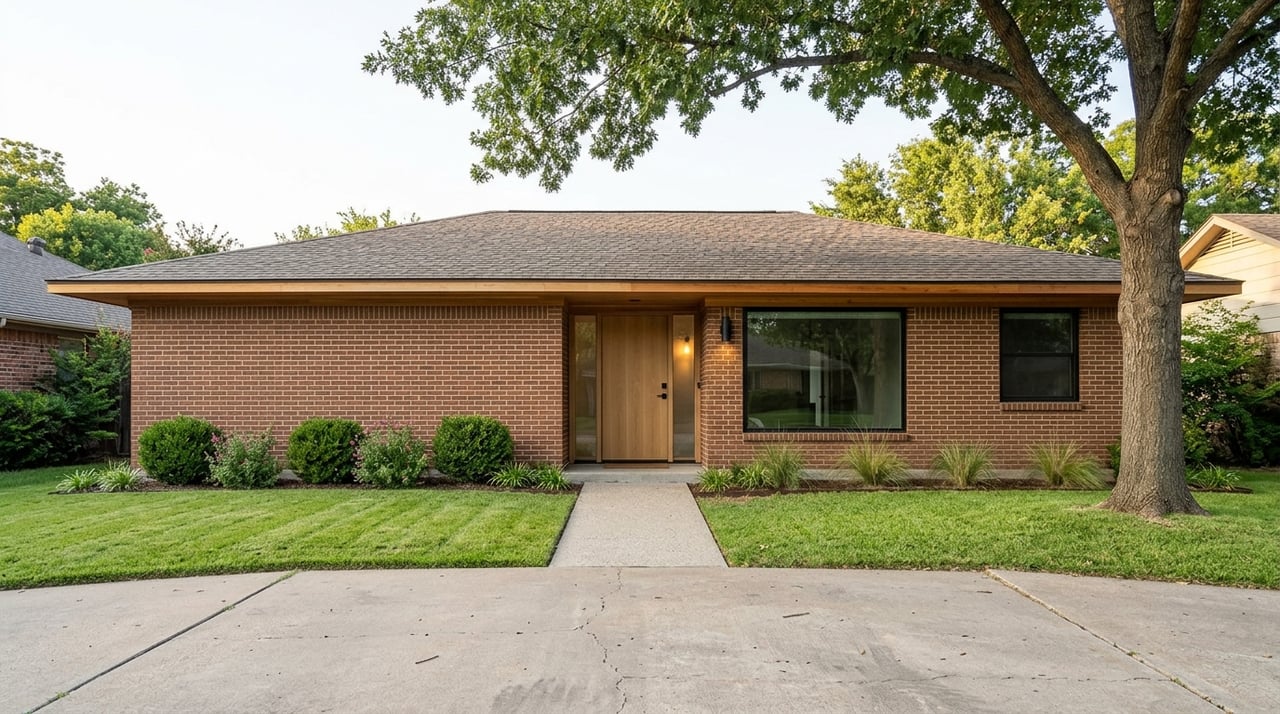
If you are house hunting in Pantego, you may be surprised by how much variety fits into just about one square mile. This small Tarrant County town has a mature suburban feel, with older low-slung homes, larger traditional lots, and pockets of newer infill that bring a more updated look. If you want to understand what you are really seeing as you tour homes here, this guide will help you spot the difference between Pantego’s mid-century roots and its modern additions. Let’s dive in.
Why Pantego Feels Different
Pantego is a very small enclave with about 2,337 residents, 1,196 housing units, and roughly one square mile of land. It is surrounded by Arlington on three sides and Dalworthington Gardens to the south, which gives it the feel of a tucked-away inner-ring suburb rather than a fast-growing edge community.
That setting shapes the housing stock in a big way. Pantego was incorporated in 1952, and the town saw strong growth from the 1960s through the early 1980s. According to the town’s comprehensive plan, nearly half of its existing housing and other building stock was built before 1980.
Because the town is largely built out, you should not expect block after block of brand-new subdivisions. Less than about 4% of land remains vacant and developable, so most housing change happens through remodeling, replacement, or small infill projects.
Mid-Century Character in Pantego
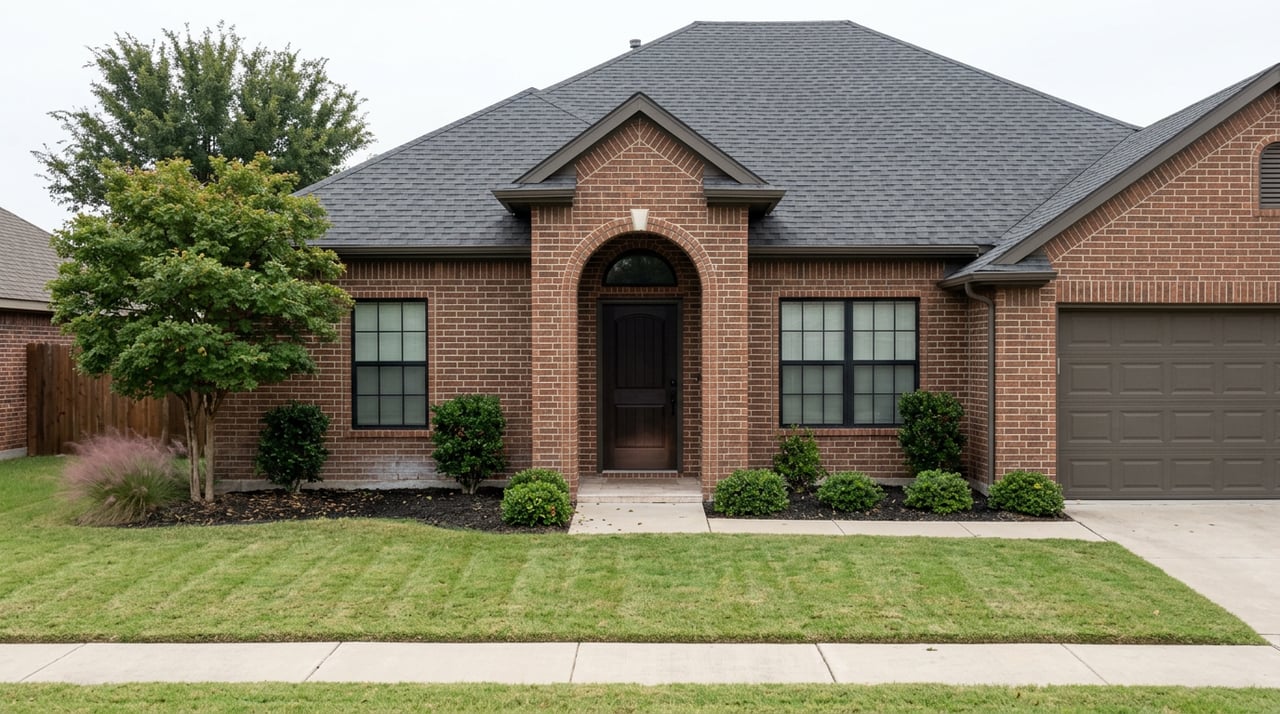
If you are drawn to older homes with simple lines and practical layouts, Pantego has a lot to offer. The town’s strongest growth years overlap with the ranch-house era, which helps explain why many older homes here likely read as ranch or ranch-adjacent postwar traditional designs.
In practical terms, that often means homes that feel low to the ground, modest in height, and suburban in scale. You may notice wider footprints, one-story living, and garage or carport-forward facades that reflect mid-20th-century design trends.
The overall look is not especially ornate or vertical. Instead, older Pantego homes tend to give off a clean, approachable style that still fits how many buyers want to live today.
Common Features in Older Homes
While the town does not publish a parcel-by-parcel architectural inventory, its planning history gives a useful picture of what buyers can expect in older sections of town. As you tour homes, you may notice features like:
- One-story or mostly one-story designs
- Long, low rooflines
- Open or semi-open main living areas
- Attached garages or former carport spaces
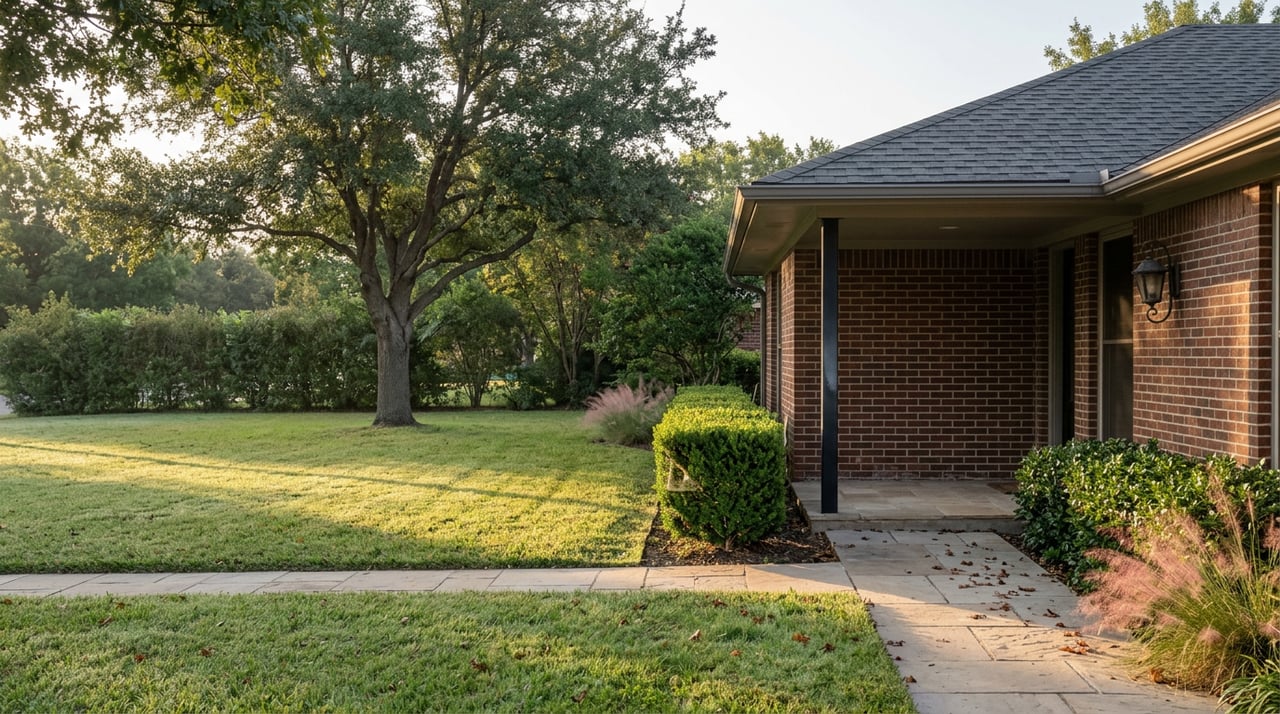
- Traditional suburban lots with front and back yard space
- Exterior updates layered onto original mid-century bones
These homes often appeal to buyers who want character without the maintenance demands of a much older historic property. They can also offer a strong starting point for thoughtful updates.
How Pantego Protects Neighborhood Feel
One reason Pantego feels visually consistent is that its local zoning rules support that pattern. In the R-1 district, which is intended for detached one-family dwellings on large to intermediate lots, residential infill is expected to match the architectural character of surrounding homes and use similar setbacks and heights.
For you as a buyer or seller, that matters. It means new construction or major replacement homes in established residential areas are generally shaped to fit the street instead of overpowering it.
This kind of guidance helps preserve the rhythm of older neighborhoods, even as homes are renovated or rebuilt over time. In a mature town like Pantego, that can be a big part of long-term appeal.
Lot Sizes and Layout Potential
Pantego’s detached-home core is also shaped by lot standards that leave room for everyday living. In the standard R-1 district, the minimum lot size is 10,000 square feet, with a 25-foot front setback, 10-foot side yards, 15-foot rear yard, and 40% maximum lot coverage.
For many buyers, that setup creates practical flexibility. You may find space for outdoor living improvements, garage changes, or modest additions, while still keeping the traditional neighborhood pattern intact.
That does not mean every project will be simple, but it does mean lot dimensions in many older parts of town can support meaningful updates. If you love the idea of buying an older home and tailoring it over time, this is an important piece of Pantego’s appeal.
Renovation Ideas That Fit the Area
Because much of Pantego is established and residential infill is expected to respect surrounding character, the most natural upgrades tend to be thoughtful rather than dramatic. Common opportunities may include:
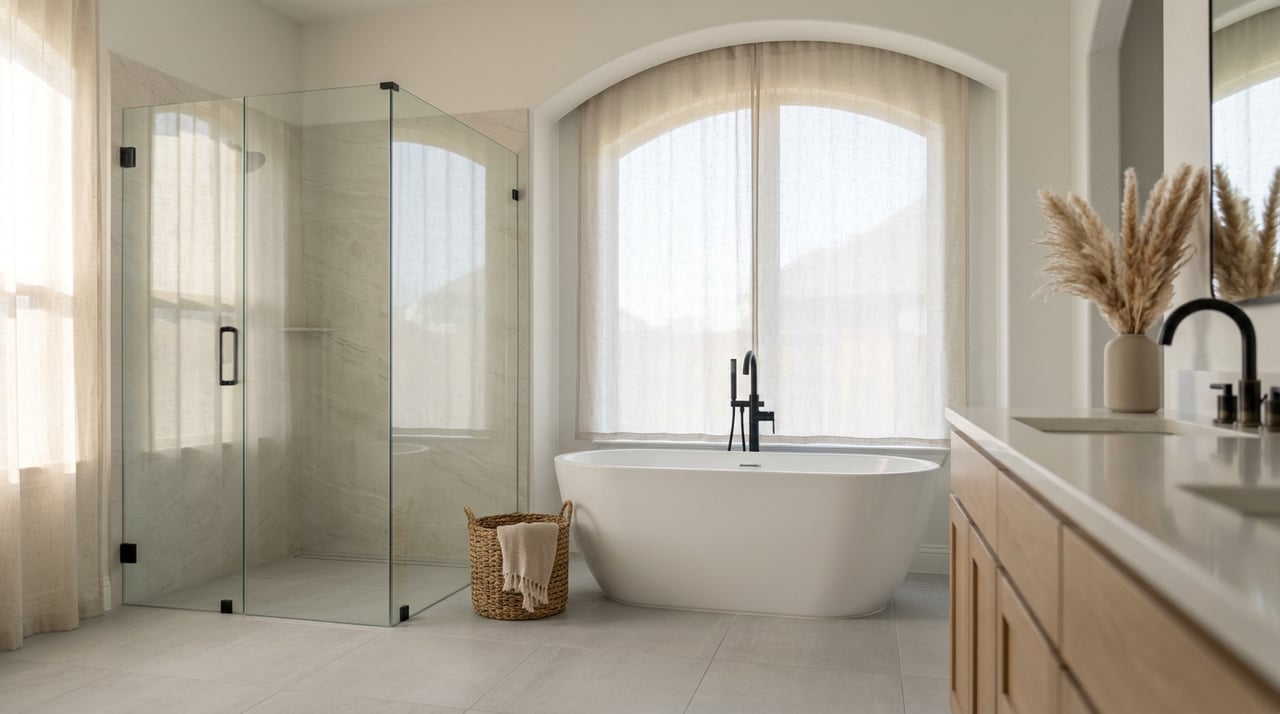
- Kitchen and bath remodels
- Exterior paint or brick refreshes
- Porch improvements
- Carport-to-garage or enclosed parking conversions
- Modest room additions
- Backyard entertaining upgrades
The key is balance. In Pantego, updates often work best when they modernize how a home lives without losing the scale and feel of the street.
Where Newer Home Styles Show Up
Although detached homes define much of Pantego’s image, the town’s housing mix is broader than many buyers expect. Local zoning includes districts for duplexes, townhouses or condos, and apartments, with some of these higher-density forms used as buffers between lower- and higher-density areas.
That means the home-style mix can shift depending on where you are in town, especially near corridors or redevelopment sites. Instead of one uniform look everywhere, you may see a blend of older detached homes and newer attached or planned residential forms.
The town’s comprehensive plan also supports residential growth through townhouses, zero-lot-line homes, condominiums, and mixed-use forms. In other words, when newer housing appears in Pantego, it is more likely to be infill or planned development than a large new neighborhood built all at once.
What Modern Builds Tend to Look Like
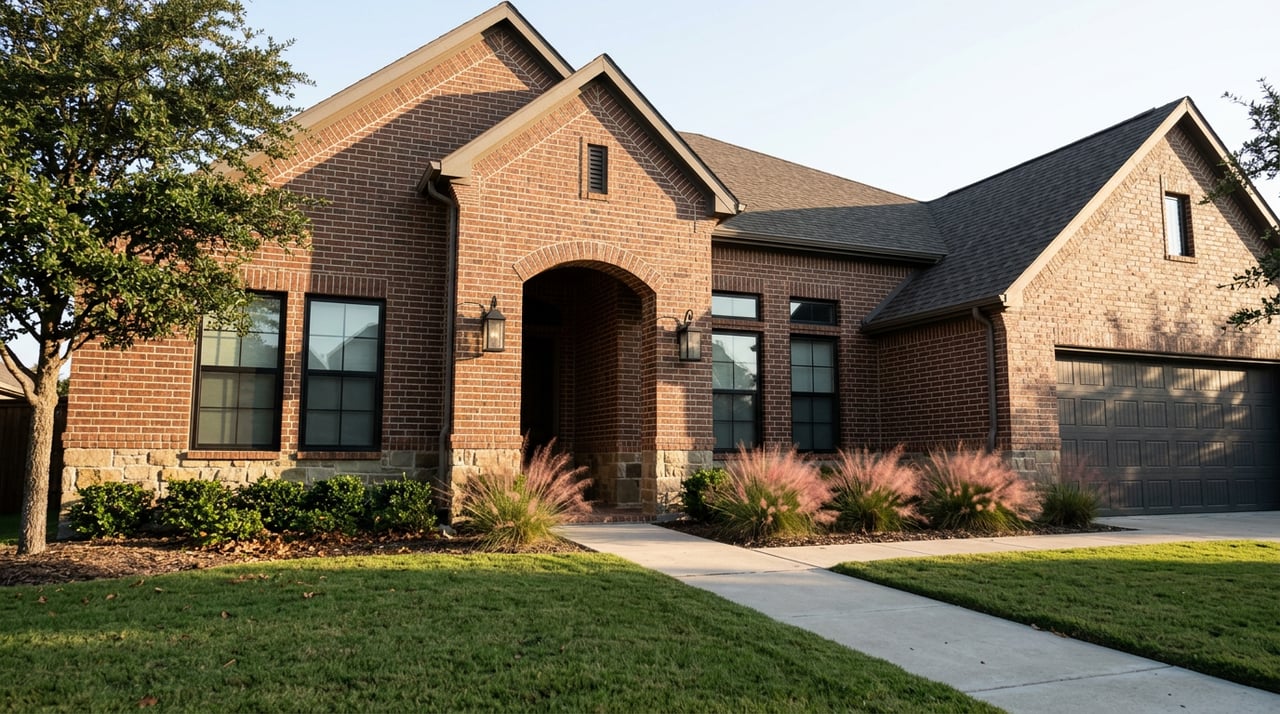
Newer housing in Pantego is shaped by redevelopment rules and limited available land. That often leads to a different feel from the older ranch-era homes, even when the project is designed to fit the surrounding area.
In planned-development settings, the town allows unified residential development with single-family detached homes, flexible lot size and density, common open space, and a minimum lot size of 5,000 square feet under the standard PD layout. That can create a more compact, intentional layout than what you see in older detached-home sections.
For buyers, this usually translates into a few noticeable differences:
- Smaller lots than traditional R-1 homes
- More efficient use of space
- Shared design themes across a development
- Newer construction materials and systems
- Lower-maintenance exterior features in some projects
- Attached or clustered housing options in select areas
If you want newer finishes and a more modern footprint, these pockets may be worth a closer look. If you prefer larger lots and a more classic suburban layout, older sections of Pantego may feel like a better fit.
Mid-Century vs. Modern in Pantego
The biggest contrast in Pantego is not old versus new in a broad sense. It is low-slung ranch-era homes on traditional lots versus newer infill shaped by redevelopment goals and modern land use.
Here is a simple side-by-side view:
| Feature | Older Pantego Homes | Newer Pantego Homes |
|---|---|---|
| Typical setting | Established residential streets | Infill sites or planned developments |
| General look | Low-slung, modest height | More compact or unified in design |
| Lot pattern | Traditional larger lots | Smaller or more flexible lots |
| Growth era | Mostly mid-century to early 1980s | More recent redevelopment |
| Buyer appeal | Character, lot space, renovation potential | Updated layouts, newer systems, lower maintenance |
Neither option is automatically better. It depends on how you want to live, how much updating you are comfortable with, and what kind of setting feels right for you.
What This Means for Buyers
If you are shopping in Pantego, it helps to decide early what matters most. Are you looking for original charm, a larger lot, and room to personalize over time? Or do you want a more turnkey home with newer construction features and a lower-maintenance layout?
Pantego can serve both goals, but often in different parts of the housing stock. Because the town is mature and mostly built out, inventory can be limited and each listing may offer a very different combination of style, lot size, and update level.
That is why local context matters here. A home’s age alone does not tell the whole story. In Pantego, the better question is how that home fits the block, the lot, and the town’s broader pattern of older detached homes mixed with selective newer infill.
What This Means for Sellers
If you own a home in Pantego, your property may benefit from the town’s distinct housing identity. Buyers are often drawn to places that feel established and consistent, and Pantego’s detached-home core and mid-century character help create that impression.
At the same time, buyers will compare your home not only to other older properties but also to updated resales and newer infill options nearby. That makes presentation, pricing, and a clear understanding of your home’s style strengths especially important.
For some homes, the selling story is lot size, layout, and neighborhood feel. For others, it is thoughtful renovation and move-in-ready updates. The best approach depends on where your home sits within Pantego’s mix of classic and modern housing.
If you are thinking about buying or selling in Pantego, working with a local team that understands the difference between established mid-century streets and newer infill pockets can make your next step much clearer. Niles Realty Group combines local market insight with buyer, seller, and in-house mortgage and title support to help you move with more confidence.
FAQs
What types of homes are most common in Pantego, TX?
- Pantego is primarily known for detached single-family homes on moderate-to-large traditional lots, with many homes tied to the town’s main growth period from the 1960s through the early 1980s.
Are there mid-century homes in Pantego, TX?
- Yes. Because Pantego’s strongest growth years overlap with the ranch-house era, many older homes likely reflect mid-century or postwar traditional design cues such as one-story layouts and long, low proportions.
Are there new construction homes in Pantego, TX?
- Newer housing does exist, but it is more likely to appear as infill or planned development rather than large new subdivisions because Pantego is mostly built out and has very little vacant land left.
Do Pantego, TX homes usually have large lots?
- In standard R-1 zoning, the minimum lot size is 10,000 square feet, which supports the traditional larger-lot feel found in many detached-home areas.
What newer housing types can you find in Pantego, TX?
- Beyond detached homes, Pantego zoning also allows duplexes, townhouses, condos, and apartments in certain districts, especially near corridors or redevelopment areas.
Is Pantego, TX a good place to look for renovation potential?
- Many older homes may offer renovation potential for projects like kitchen and bath updates, exterior refreshes, parking conversions, and modest additions, especially where improvements respect local setbacks and surrounding character.